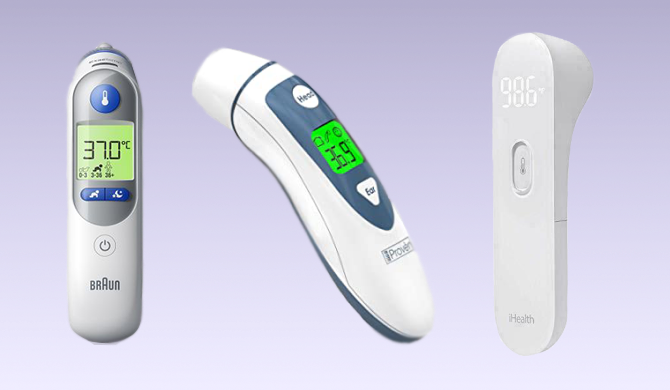

Navigating the realm of medical equipment can be as challenging as diagnosing a complex condition. Among the array of tools that doctors rely on, blood pressure measurement devices stand as fundamental pillars of accurate patient assessment. With a plethora of options available, choosing the right blood pressure tool becomes a crucial decision.
But first, let’s take a trip through time. Galen’s ancient Greece envisioned a pneuma-filled circulatory system, but William Harvey’s 1616 revelation redirected understanding, proposing finite blood circulation. Stephen Hales experimented with glass tubes in horses, marking the first recorded blood pressure measurement in 1711, while Faivre’s 1856 limb amputation brought human measurement. The sphygmograph emerged, followed by Marey’s advancements, and Dudgeon’s portable design became Navy standard. Von Basch introduced the sphygmomanometer in 1881, facing skepticism. Potain’s air-filled devices gained ground, and Riva-Rocci’s mercury sphygmomanometer in 1896 marked a turning point, adopted by Harvey Cushing. In 1905, Korotkoff’s sounds heralded systolic and diastolic measurements with the stethoscope’s aid. Panasonic’s 1974 digital oscillometric device initiated a new era.
Discover more from Doctor Trusted
Subscribe to get the latest posts sent to your email.