
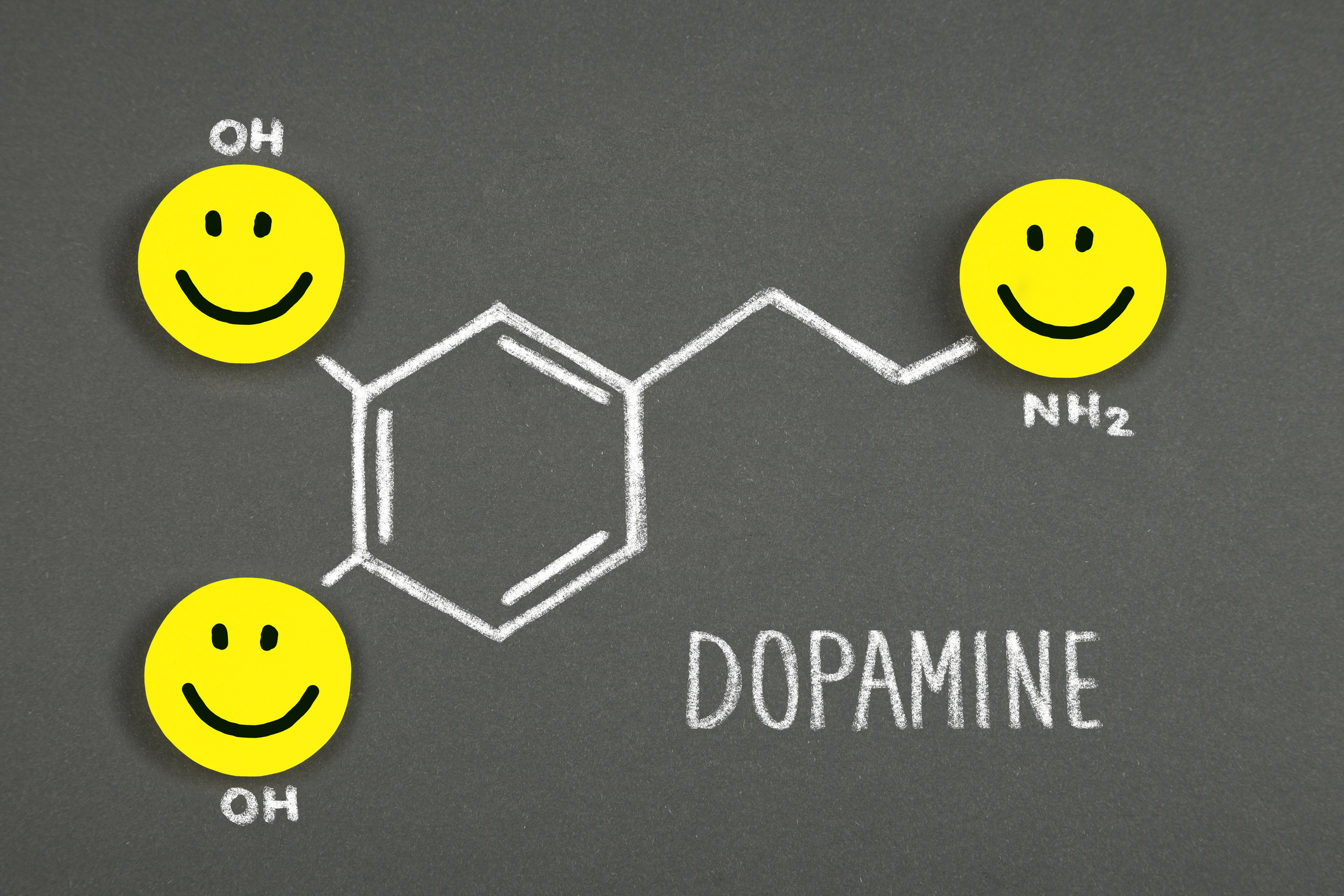
In the high-pressure world of medicine, doctors often face demanding schedules, complex decision-making, and emotional fatigue. Amidst these challenges, finding moments of happiness and fulfillment can seem elusive. However, understanding the science of dopamine and employing specific strategies can help you “hack” your happiness and gain satisfaction from each completed task. This long read explores how to effectively boost dopamine levels and foster a sense of accomplishment in your daily life.
Understanding Dopamine: The Happiness Chemical
Dopamine is a neurotransmitter that plays a crucial role in the brain’s reward system. It’s often referred to as the “feel-good” chemical because it’s associated with pleasure, motivation, and reward-seeking behavior. When we complete a task, especially one that requires effort or focus, dopamine is released, creating feelings of satisfaction and reinforcing the behavior.
The Role of Dopamine in Daily Life
- Motivation: Dopamine drives motivation by signaling the brain to pursue rewards. This is particularly important in a medical career where the stakes are high, and the workload can be overwhelming.
- Learning: Dopamine facilitates learning by reinforcing behaviors that lead to positive outcomes. In a clinical setting, this means that successful patient interactions or completing challenging procedures can enhance skills and knowledge.
- Emotional Well-being: Regular dopamine release contributes to overall emotional health. Insufficient levels can lead to feelings of apathy, fatigue, and even depression, which can significantly impact a doctor’s well-being and performance.
The Happiness Equation: Task Completion and Dopamine
The concept of hacking happiness involves creating a system where you can consistently trigger dopamine release through task completion. Here are strategies to cultivate a sense of achievement and satisfaction in your daily routine:
Break Tasks into Smaller Goals
Large tasks can feel overwhelming, leading to procrastination and a lack of motivation. Breaking them down into smaller, manageable goals can help you experience a series of dopamine boosts.
- Example: If you have a complex case to manage, divide the process into smaller steps, such as gathering patient history, conducting examinations, and reviewing test results. Celebrate each completed step to trigger a dopamine release.
Set Clear, Achievable Milestones
Establishing clear milestones helps you track progress and maintain motivation. Each time you reach a milestone, reward yourself with a moment of recognition, which can stimulate dopamine release.
- Example: If you’re working on a research project, set milestones such as completing a literature review, drafting a section of your paper, and submitting your findings. Acknowledge each accomplishment to reinforce positive feelings.
Create a Task Completion Ritual
Rituals can enhance the satisfaction of completing tasks. By developing a routine that includes a specific way to celebrate your accomplishments, you can amplify the dopamine boost you receive.
- Example: After finishing a challenging shift, take a moment to reflect on what you accomplished. Write down three things you did well that day and treat yourself to a favorite snack or activity as a reward.
Use Visual Progress Tracking
Visual representations of your progress can be powerful motivators. Whether it’s a checklist, a calendar, or a progress bar, seeing your accomplishments can trigger dopamine release.
- Example: Create a visual tracker for your daily tasks. Use stickers or colored markers to signify completed tasks. The act of checking off items provides a tangible sense of achievement.
Cultivate Gratitude and Reflection
Taking time to reflect on your accomplishments can enhance the dopamine response. Cultivating gratitude for the work you do and the impact you have can foster a positive mindset.
- Example: At the end of each day, take a few minutes to journal about what you accomplished and express gratitude for the opportunities you had to help patients. This practice reinforces positive feelings associated with your work.
Build a Supportive Environment
Surrounding yourself with supportive colleagues and mentors can enhance your sense of achievement. Sharing your successes and challenges with others creates a community that celebrates progress.
- Example: Organize regular team meetings where you can share successes, discuss challenges, and offer support to one another. Celebrating collective achievements fosters a culture of motivation and positivity.
Embrace Positive Self-Talk
Your internal dialogue significantly impacts your motivation and overall happiness. Practice positive self-talk to reinforce your achievements and capabilities.
- Example: When you complete a task, remind yourself, “I did well today,” or “I’m making a difference in my patients’ lives.” This reinforces a positive self-image and encourages further motivation.
Engage in Physical Activity
Exercise is a powerful trigger for dopamine release. Incorporating physical activity into your routine can enhance overall well-being and increase your capacity to handle stress.
- Example: Aim for at least 30 minutes of moderate exercise most days of the week. Whether it’s a brisk walk, a gym session, or a yoga class, physical activity can boost your mood and energy levels.
Foster Creativity and Curiosity
Engaging in creative activities or exploring new interests can stimulate dopamine production. This not only enhances your mood but also fosters a sense of exploration and discovery.
- Example: Set aside time each week for a creative pursuit, such as painting, writing, or learning a new skill. This breaks the routine and provides opportunities for dopamine boosts through novel experiences.
Practice Mindfulness and Meditation
Mindfulness practices can enhance your overall emotional well-being and increase your awareness of accomplishments. These practices help you appreciate the moment and celebrate small victories.
- Example: Dedicate a few minutes each day to mindfulness or meditation. Focus on your breathing and reflect on the tasks you completed that day, fostering a sense of accomplishment and contentment.
Implementing the Strategies
To successfully implement these strategies, consider creating a personal action plan. Identify specific tasks or goals you want to focus on and outline how you’ll incorporate the techniques discussed.
- Identify Key Areas: Determine which aspects of your work-life balance need the most attention. Are you feeling overwhelmed by administrative tasks? Or is patient care taking up too much of your time?
- Set Clear Objectives: Outline what you hope to achieve by implementing these strategies. This could include reducing stress, enhancing job satisfaction, or improving overall well-being.
- Track Your Progress: Regularly evaluate your progress and adjust your plan as necessary. Celebrate your achievements along the way, no matter how small.
Hacking happiness is about finding ways to stimulate dopamine release and create a fulfilling work-life experience.
As you navigate the challenges of your medical career, remember that every task completed is an opportunity for a dopamine boost. Finding happiness in your daily routine is not only possible—it’s essential for your well-being and the quality of care you provide to your patients.
Embrace the journey of hacking happiness and watch as your professional and personal life flourishes!
Discover more from Doctor Trusted
Subscribe to get the latest posts sent to your email.