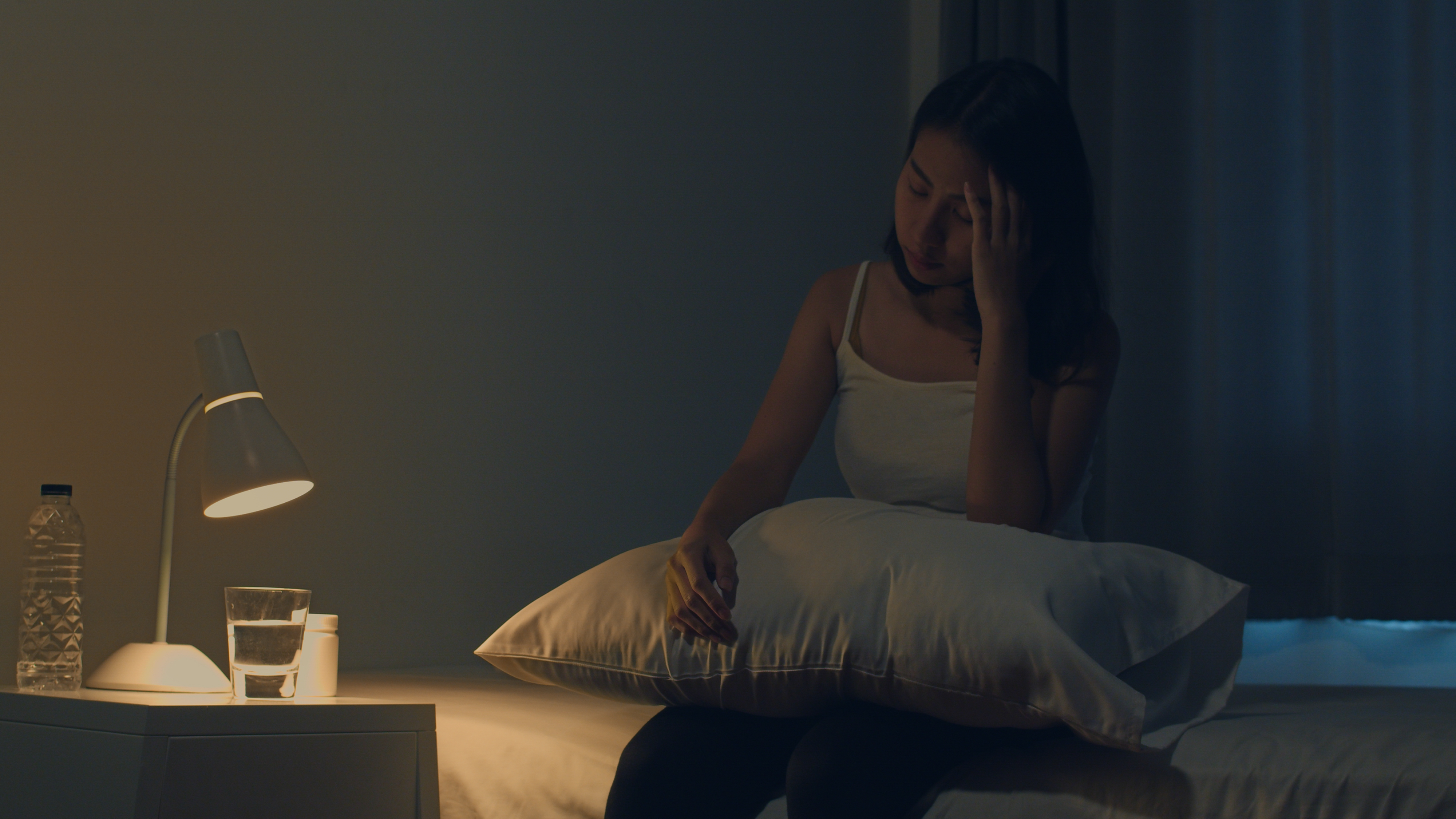

Healthcare providers dedicate their lives to patient care, often working long hours under high stress. The demands of the profession can make it difficult to maintain a healthy work-life balance, leading to burnout and exhaustion. One effective way to counteract this is by finding a fulfilling hobby—an activity that brings joy, relaxation, and a sense of accomplishment outside of work. But how can a busy provider find the time and the right hobby? In this guide, we explore the importance of hobbies, how to identify one that suits your lifestyle, and how to integrate it into your routine.
Why Hobbies Matter for Healthcare Providers
Engaging in hobbies is more than just a way to pass time—it is an essential component of self-care. Research suggests that hobbies can lower stress, improve cognitive function, and enhance overall well-being. For healthcare providers, hobbies offer several key benefits:
- Stress Relief: Engaging in a hobby provides a mental break from the pressures of work, reducing stress and preventing burnout.
- Cognitive Benefits: Learning new skills through a hobby can improve memory, problem-solving abilities, and mental agility.
- Improved Work Performance: Taking time for hobbies enhances creativity and focus, which can translate into better patient care.
- Social Connection: Many hobbies involve community engagement, allowing providers to connect with others outside of the medical field.
- Increased Job Satisfaction: A fulfilling personal life can positively impact job satisfaction, making work feel more rewarding.
How to Discover the Right Hobby
Finding the right hobby depends on personal interests, lifestyle, and available time. Here are some strategies to identify a hobby that fits:
1. Reflect on Past Interests
Think back to childhood or college years—were there activities you once loved but abandoned due to work? Revisiting old interests can be a great starting point.
2. Identify What You Need Most
Are you looking for relaxation, creativity, physical activity, or social engagement? The best hobby is one that fulfills your current emotional and mental needs. For instance:
- If you seek relaxation, try painting, gardening, or meditation.
- If you crave movement, consider hiking, dancing, or yoga.
- If you enjoy problem-solving, try chess, puzzles, or coding.
- If you want to connect with others, explore book clubs, group sports, or volunteering.
3. Experiment Without Commitment
It’s okay to try different hobbies before settling on one. Take a trial class, borrow equipment, or join a short-term program to see what resonates with you.
4. Consider Your Schedule
Choose a hobby that fits your lifestyle. If your work schedule is unpredictable, opt for flexible activities like photography, writing, or home workouts instead of time-sensitive commitments.
Hobby Ideas for Busy Healthcare Providers
1. Creative Outlets
Creativity can be a powerful stress reliever. Consider hobbies like:
- Painting or Drawing: Express emotions through art, even if you’re a beginner.
- Writing or Journaling: Reflect on your experiences through storytelling, blogging, or poetry.
- Music: Playing an instrument or singing can be a great emotional release.
- Photography: A fantastic way to capture moments and explore creativity.
2. Physical Activities
Exercise is essential for mental and physical health. Some enjoyable options include:
- Yoga or Pilates: Helps with flexibility and stress management.
- Cycling or Running: Great for cardiovascular health and outdoor enjoyment.
- Martial Arts or Dance: Combines movement with discipline and creativity.
- Swimming: A full-body workout that’s also therapeutic.
3. Social and Community-Based Hobbies
Interacting with others outside the medical field can be refreshing. Try:
- Book Clubs: Connect with people over literature and discussion.
- Volunteering: Give back to the community through mentorship or charity work.
- Cooking Classes: Learn new recipes and enjoy social interaction.
- Team Sports: Join a local recreational league for basketball, soccer, or tennis.
4. Mindfulness and Relaxation
For those looking to unwind, try:
- Meditation or Tai Chi: Helps with mindfulness and relaxation.
- Gardening: A rewarding way to connect with nature.
- Puzzle Solving: Chess, Sudoku, or crosswords stimulate the mind.
- Fishing: A peaceful way to enjoy solitude and nature.
How to Make Time for Your Hobby
Balancing work and personal life is challenging, but with the right approach, it’s possible to fit hobbies into a busy schedule:
1. Schedule It Like an Appointment
Treat your hobby as an important commitment. Block time in your calendar just as you would for a patient or meeting.
2. Start Small
Begin with short, manageable sessions—15-30 minutes a few times a week. As it becomes a habit, you can gradually increase the time.
3. Combine Hobbies with Daily Routines
- Listen to audiobooks or podcasts during commutes.
- Meditate for 5-10 minutes before bed.
- Take a walk during lunch breaks.
4. Use Technology to Your Advantage
Apps and online platforms make it easier to engage in hobbies. Consider:
- Online courses (e.g., Coursera, Skillshare) for learning new skills.
- Fitness apps for guided workouts.
- Virtual hobby groups for interaction and motivation.
5. Make It Social
Involve friends, family, or colleagues in your hobby. A social element increases motivation and accountability.
Overcoming Common Challenges
“I Don’t Have Time”
Even with a packed schedule, small adjustments can make room for a hobby. Cut down on passive screen time (social media, TV) and prioritize activities that bring joy.
“I Feel Guilty Taking Time for Myself”
Self-care is essential. Engaging in a hobby makes you a better provider by reducing stress and improving well-being.
“I Can’t Stick to It”
If a hobby doesn’t feel right, explore others. The key is to find something enjoyable, not an obligation.
Finding a fulfilling hobby outside of work is crucial for healthcare providers. It promotes relaxation, enhances creativity, and improves overall well-being. Whether it’s a physical activity, creative pursuit, or social engagement, there’s a hobby out there for everyone. Start small, stay consistent, and embrace the benefits of life beyond the white coat.
Discover more from Doctor Trusted
Subscribe to get the latest posts sent to your email.