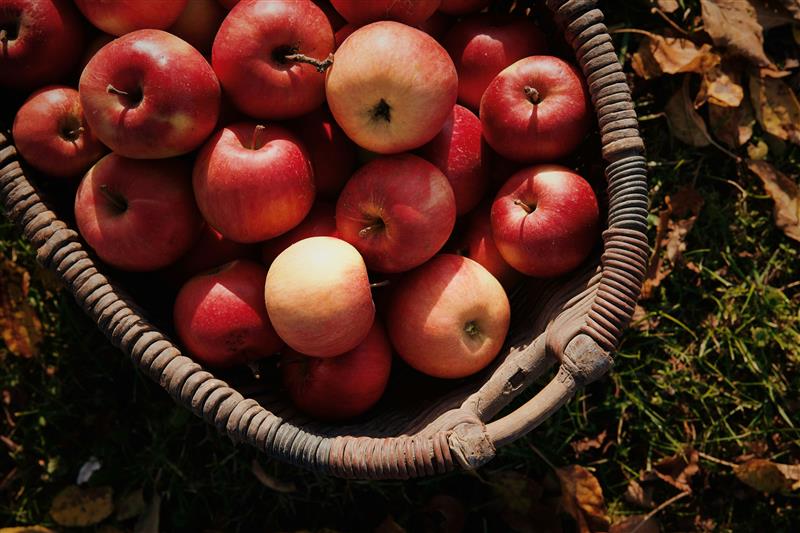
When the leaves start turning amber and the morning air gets that crisp bite to it, Mother Nature is basically nudging us and saying, “Hey, time to prep for winter!” And honestly? She’s not just being dramatic. Fall fruits are like nature’s care package, wrapped in gorgeous, juicy packages and loaded with everything we need to keep our bodies humming through the colder months.
Apples: There’s Truth to That Old Saying
Let’s start with the MVP of American autumn—apples. We’re talking about a fruit that’s so synonymous with fall, it practically has its own holiday (hello, apple picking season!). But beyond Instagram-worthy orchard photos, apples are nutritional powerhouses that deserve way more credit than they get.
First off, that satisfying crunch isn’t just for show. Apples are packed with pectin, a type of fiber that’s like a personal trainer for your digestive system. It keeps things moving, helps regulate blood sugar, and even gives your gut bacteria something to cheer about. Plus, with quercetin—a flavonoid that sounds fancy because it is fancy—apples are basically nature’s antihistamine. Perfect timing for those lingering fall allergies, right?
And here’s something cool: eating apples with the skin on gives you way more bang for your nutritional buck. We’re talking about doubling down on fiber and antioxidants. So maybe think twice before you peel that Honeycrisp.
Pears: The Underrated Autumn Gem
Pears are like that friend who doesn’t post much on social media but is absolutely killing it in real life. They’re quietly sitting there being incredibly good for you while apples get all the attention. A medium pear packs about 6 grams of fiber—that’s nearly a quarter of your daily needs right there.
But here’s where pears really shine: they’re loaded with copper, a mineral most of us don’t think about but definitely need. Copper helps with iron absorption, supports your immune system, and keeps your connective tissues happy. Plus, pears have this amazing ability to help regulate blood pressure thanks to their potassium content.
The best part? Unlike some fruits that have a tiny window of perfect ripeness, pears give you options. Want them crisp and refreshing? Grab them a little firm. Prefer them sweet and buttery? Let them sit on your counter for a few days. It’s like having multiple fruits in one.
Cranberries: Small but Mighty
Okay, cranberries might be tart enough to make your face scrunch up, but don’t let that fool you. These little ruby gems are like tiny warriors fighting the good fight in your body. We’ve all heard about cranberries and UTIs, but the science behind it is actually pretty fascinating.
Cranberries contain proanthocyanidins (try saying that five times fast), which literally prevent bacteria from sticking to your urinary tract walls. It’s like having a microscopic bouncer that says, “Nope, you can’t sit here” to harmful bacteria.
But wait, there’s more! Cranberries are absolutely loaded with antioxidants—we’re talking more than blueberries in some cases. These antioxidants help fight inflammation, support heart health, and might even help with memory function. Just maybe skip the sugar-loaded cranberry sauce and try them in a smoothie or mixed into oatmeal instead.
Persimmons: The Sweet Surprise
If you’ve never had a persimmon, you’re missing out on one of fall’s best-kept secrets. These orange beauties look like nature decided to cross a tomato with a peach and then dial up the sweetness to eleven.
Persimmons are vitamin A superstars, which means they’re fantastic for your skin, eyes, and immune system. One persimmon can give you over half your daily vitamin A needs. They’re also surprisingly high in manganese, which supports bone health and helps your body process cholesterol.
The cool thing about persimmons is they come in two main varieties: astringent (which need to be super ripe and soft) and non-astringent (which you can eat while they’re still firm). Both are delicious, but biting into an unripe astringent persimmon is like getting pranked by nature—it’ll dry your mouth out instantly.
Pomegranates: Ancient Wisdom in Modern Times
Pomegranates have been called “superfruit” so many times it’s almost cliché, but honestly? They’ve earned it. These ruby-seeded gems have been prized for thousands of years, and modern science is backing up what ancient civilizations already knew.
The antioxidant levels in pomegranates are off the charts—higher than red wine, green tea, or blueberries. We’re talking about compounds that help protect your heart, support brain health, and might even help your body fight inflammation at the cellular level.
Plus, there’s something almost meditative about eating a pomegranate. You can’t rush it. You have to slow down, take your time, and savor each seed. In our fast-paced world, that’s probably good medicine all by itself.
The Bigger Picture: Why Timing Matters
Here’s something interesting that doesn’t get talked about enough: our bodies naturally crave different nutrients at different times of the year, and fall fruits deliver exactly what we need when we need it.
As daylight hours shrink and temperatures drop, our immune systems need extra support. Fall fruits are loaded with vitamin C, antioxidants, and fiber—basically everything required to keep us healthy when cold and flu season kicks into gear.
These fruits also tend to be higher in natural sugars and calories than summer fruits, which makes perfect sense. Our ancestors needed those extra calories to get through winter, and while most of us aren’t worried about surviving until spring, our bodies still carry those seasonal rhythms.
Making It Work in Real Life
The best part about fall fruits? They’re incredibly versatile. Toss apple slices in your morning oatmeal, blend pears into a smoothie, sprinkle cranberries on your salad, or just grab a persimmon as an afternoon snack.
And here’s a pro tip: buy them when they’re in peak season (aka right now) and freeze what you can’t eat fresh. Frozen fruits work great in smoothies, baked goods, and warm winter dishes. It’s like banking summer sunshine for those gray February days.
Fall fruits aren’t just delicious—they’re nature’s way of preparing us for the months ahead. They boost our immune systems, support our digestive health, fight inflammation, and provide sustained energy when we need it most.
So this season, maybe spend a little less time scrolling through fall aesthetic posts and a little more time actually experiencing what autumn has to offer. Your taste buds will thank you, your body will thank you, and honestly, your Instagram followers probably will too.
Because at the end of the day, the best fall photos aren’t just about the perfect lighting—they’re about celebrating the incredible abundance that this season brings. And that abundance? It starts with what’s on your plate.
Discover more from Doctor Trusted
Subscribe to get the latest posts sent to your email.