

As premiums surge and subsidies expire, political pressure mounts on the industry to justify costs and practices amid growing calls for transparency and accountability
The health insurance industry finds itself under unprecedented political scrutiny as President Donald Trump and congressional Republicans escalate criticism of major insurers, accusing them of profiteering at the expense of American families. The campaign has culminated in scheduled congressional hearings featuring CEOs from five of the nation’s largest health insurers, signaling a potential shift in how Washington approaches insurance regulation and affordability.
The Political Offensive
President Trump has made his position clear. In a January 6 speech to House Republicans, he characterized insurance companies as obstacles to affordable healthcare, claiming they have generated extraordinary profits while coverage costs skyrocket. Trump announced plans to meet with executives from fourteen insurance companies, warning them to lower prices or face consequences.
The rhetoric marks a dramatic departure from traditional Republican approaches to healthcare markets. Rather than focusing exclusively on government programs like the Affordable Care Act, Trump has targeted the insurance industry itself as a primary driver of high costs. His proposed solution involves redirecting federal subsidies away from insurers directly to consumers through health savings accounts, a move he frames as empowering patients while cutting out profit-seeking intermediaries.
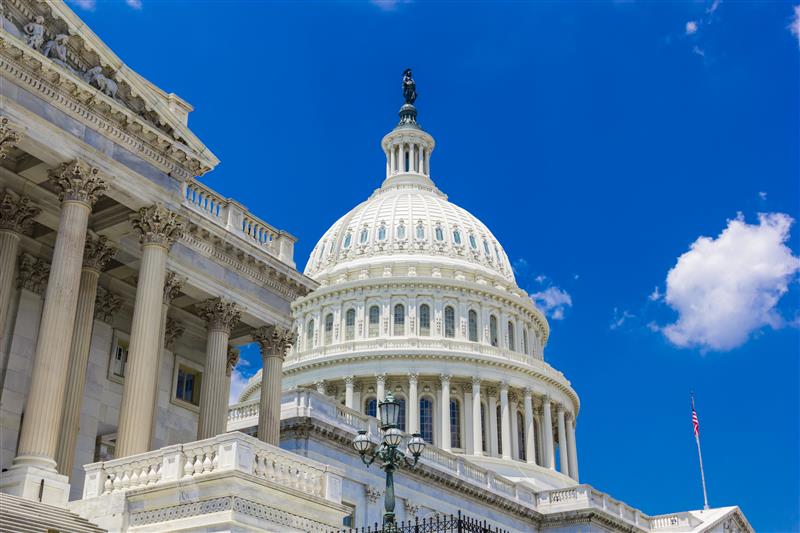
Congressional Republicans have followed suit. On January 8, House Energy and Commerce Committee Chairman Brett Guthrie and Ways and Means Committee Chairman Jason Smith announced hearings scheduled for January 22, summoning CEOs from UnitedHealth, CVS Health, Cigna, Elevance Health, and Blue Shield of California. The stated purpose is examining rising costs, affordability challenges, and the role of large insurers in the healthcare system.
The Economic Context
The political pressure arrives amid a genuine affordability crisis. Enhanced ACA subsidies expired at the end of 2025 after Congressional Republicans declined to extend them, triggering dramatic premium increases for millions of Americans. According to KFF projections, the average annual premium for marketplace coverage is expected to jump from $888 in 2025 to $1,904 in 2026—more than doubling out-of-pocket costs for many families.
The expiration of subsidies followed a 43-day government shutdown, the longest in American history, sparked by Democratic demands to extend the financial assistance. With roughly 24 million Americans affected by the subsidy expiration, the political stakes have intensified considerably. Democrats have hammered Republicans over the issue, arguing that allowing subsidies to lapse demonstrates indifference to middle-class affordability concerns.
Yet Republicans have reframed the debate, shifting focus from subsidy extensions to insurance company practices. Committee leaders emphasized that the January hearings will address affordability for all Americans with commercial coverage, not just the fraction obtaining insurance through ACA marketplaces. This broader framing positions the GOP as champions of cost containment across the entire insurance market.
Industry Under Pressure
For health insurers, the scrutiny creates significant challenges. Industry representatives argue that premiums reflect underlying medical costs rather than excessive profits. According to America’s Health Insurance Plans, a trade organization representing insurers, plans are doing everything possible to shield consumers from rising healthcare expenses. Chief Executive Mike Tuffin noted that insurer margins and administrative expenses are already subject to regulation.
The numbers tell a more complex story. While insurers face genuine cost pressures from increased healthcare utilization and rising medical expenses, the industry remains highly profitable. Trump’s claim that insurance companies have seen profits increase by 1,700 percent has circulated widely, though the specific timeframe and methodology behind this figure remain unclear. What’s undeniable is that major health insurers rank among the largest and most financially successful corporations in America.
UnitedHealth Group, the nation’s largest insurer, has faced particular scrutiny. The company’s stock plunged nearly 10 percent when Trump announced his planned meeting with insurance executives in late 2025, before recovering to close slightly down. The volatility reflects investor concerns that political pressure could translate into tangible constraints on pricing power and profitability.
The industry also confronts operational challenges that complicate the affordability narrative. Medicare Advantage costs have risen sharply, squeezing margins. Patients are returning for surgeries and procedures deferred during the pandemic, driving higher claims. Regulatory compliance burdens continue to increase. These factors create genuine headwinds that insurers cite when explaining premium increases.
Transparency and Accountability Proposals
Beyond the January hearings, broader regulatory changes appear likely. The Trump administration has emphasized transparency as a central component of its healthcare agenda, reflected in recent proposed updates to the Transparency in Coverage regulations. These changes would improve accessibility of pricing information for consumers and enhance the standardization of public pricing disclosures.
The proposals build on existing federal requirements that mandate insurers and hospitals publish pricing information in machine-readable formats. However, implementation has proven challenging. Massive file sizes, data complexity, and compliance issues have limited the practical utility of disclosed information. The proposed improvements aim to make pricing data more accessible and actionable for consumers, employers, and regulators.
State-level initiatives complement federal efforts. California, for instance, has enacted multiple laws requiring greater insurer transparency around claim denials, premium justifications, and profit margins. Following devastating wildfires, California Insurance Commissioner Ricardo Lara has pushed for faster claim payments, mandatory coverage enhancements, and stricter accountability measures. Other states are considering similar reforms.
The momentum toward transparency requirements reflects a bipartisan recognition that healthcare pricing remains opaque and difficult for consumers to navigate. While Republicans and Democrats disagree on the role of government subsidies, both parties increasingly support measures requiring insurers to justify costs and provide clearer information to patients.
What Will Be Next
What remains uncertain is whether political pressure will translate into meaningful policy changes. Congressional hearings often generate headlines without producing legislation, particularly in divided government. Democrats control neither chamber and show little interest in Trump’s health savings account proposal, viewing it as an inadequate substitute for direct premium assistance.
Some Republicans have expressed enthusiasm for challenging insurance industry practices. Representative Chip Roy of Texas praised efforts to redirect money away from insurers and toward consumers. Senator Bill Cassidy of Louisiana has proposed pre-funded federal flexible spending accounts as an alternative to ACA subsidies. These proposals reflect genuine GOP interest in healthcare consumerism, though consensus remains elusive.
For the insurance industry, the strategic calculus is delicate. Appearing defensive or dismissive risks intensifying political backlash. Yet making substantive pricing concessions could affect profitability and shareholder returns. Industry executives will need to balance these competing pressures when testifying before Congress, demonstrating responsiveness to affordability concerns while defending their business models.
The January hearings may prove merely symbolic, allowing lawmakers to voice constituent frustrations without fundamentally altering industry dynamics. Or they could mark the beginning of a more sustained push toward insurance market reform, combining transparency requirements with constraints on pricing practices. The outcome will depend partly on how effectively insurers articulate their value proposition and partly on whether political momentum for change can overcome traditional resistance to healthcare market intervention.
Implications for Reform
Whatever the immediate legislative outcome, the political moment reveals important shifts in healthcare discourse. Insurance companies, long insulated from direct political attacks by Republican allies skeptical of market intervention, now face criticism from across the political spectrum. Progressive Democrats have long targeted insurer profits; having the Republican president and congressional leadership join that chorus changes the political equation significantly.
The focus on transparency and accountability also reflects growing recognition that healthcare markets don’t function like conventional consumer markets. Patients lack the information, expertise, and leverage to effectively shop for care. Price opacity allows both insurers and providers to extract higher revenues without clear value justification. Requirements for disclosure and explanation represent attempts to inject market discipline into a fundamentally non-market system.
For patients and employers bearing rising costs, the political attention offers both hope and frustration. Hope that sustained pressure might finally force meaningful reforms. Frustration that solutions remain elusive despite decades of affordability crises. The gap between annual premium increases and wage growth continues widening, making healthcare expenses increasingly unaffordable for middle-class families.
The insurance industry’s response to this moment will shape its future regulatory environment. Companies that embrace transparency, justify their value, and demonstrate commitment to affordability may navigate political scrutiny successfully. Those perceived as evasive or profit-focused risk triggering more aggressive intervention. The January hearings represent an opportunity to reset the narrative or confirm suspicions—a high-stakes performance with lasting implications.
As the hearing date approaches, all eyes turn to how insurance executives will defend their practices, what commitments they’ll offer on pricing, and whether congressional Republicans will maintain pressure or allow the issue to fade. The answers will determine whether this moment represents a genuine inflection point or merely another round of political theater in America’s endless healthcare debate.
If you found this article valuable, our monthly newsletter goes even deeper—with exclusive compliance strategies, advanced coding guidance, and insider insights you won’t find anywhere else. Subscribe to access what matters most.
Sources:
- Congressional committee announcements and statements from the House Energy and Commerce and Ways and Means Committees
- President Trump’s public statements and policy proposals on healthcare
- KFF analysis of premium changes and subsidy impacts
- Industry responses from America’s Health Insurance Plans and individual insurers
- Federal transparency in coverage regulatory proposals
- News coverage from The Hill, ABC News, Reuters, and healthcare trade publications
Discover more from Doctor Trusted
Subscribe to get the latest posts sent to your email.

