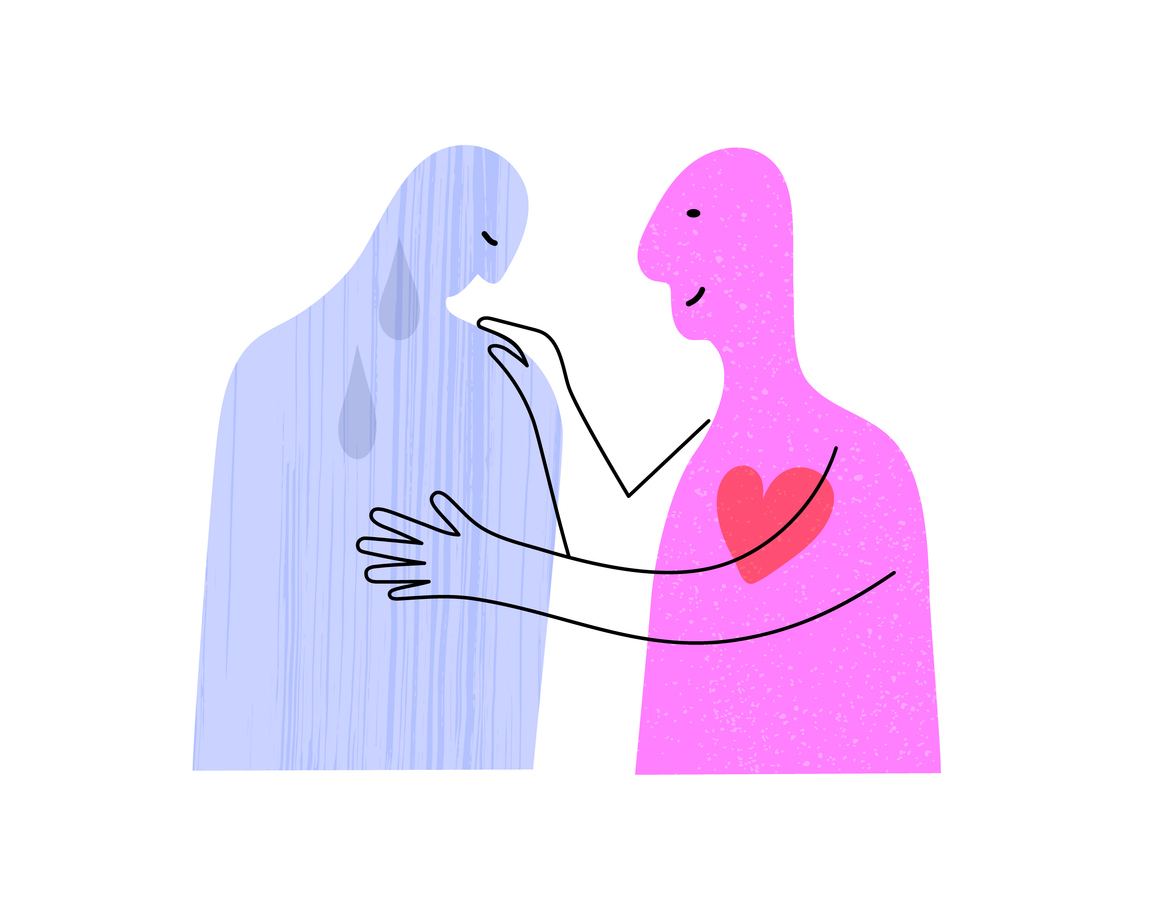
College: a time of intellectual growth, personal exploration, and newfound independence. But for many students, it’s also a period marked by significant mental health challenges. Let’s delve into the realities of college student mental health, exploring statistics, potential causes, and the resources available for support.
The Scope of the Problem
A 2022 study by the American College Health Association (ACHA) paints a concerning picture. Over three-quarters (77%) of surveyed students reported experiencing moderate to severe psychological distress, with loneliness affecting more than half (54%). A particularly worrying statistic – 30% of respondents indicated suicidal ideation.
Breaking Down the Numbers: Common Mental Health Issues
The ACHA study sheds light on the prevalence of specific mental health conditions:
- Anxiety: One-third (35%) of students reported an anxiety diagnosis, with most seeking professional help in the past year.
- Depression: The percentage of students battling depression is even higher, with 27% reporting a diagnosis and 78% seeking professional support.
- Attention Deficit/Hyperactivity Disorder (ADHD): Roughly 13% of students grapple with ADHD, and 72% sought professional help within the previous year.
- Stress and Trauma-Related Disorders: This category encompasses conditions like PTSD, affecting 8% of students, with 74% seeking help.
- Eating Disorders: Around 7% of students struggle with eating disorders, with over half (56%) receiving professional support.
- Insomnia: Sleep difficulties plague 7% of students, with 59% seeking professional guidance.
- Obsessive-Compulsive Disorder (OCD): Approximately 6% of students reported OCD, with two-thirds (68%) seeking professional help.
- Bipolar Disorder: This condition affects 3% of students, and 77% of those diagnosed sought professional support.
- Substance Abuse: While only 1% of students reported substance use issues, a concerningly low 46% sought help.
Possible Causes Beyond College
While some conditions may predate college (e.g., ADHD), certain aspects of campus life can exacerbate mental health issues:
- Academic Pressure: The pressure to excel academically can be overwhelming, leading to stress and anxiety.
- Relationships: Navigating new friendships, romantic relationships, and roommate conflicts can be stressful.
- Harassment and Discrimination: Experiencing sexual harassment, discrimination, or microaggressions can significantly impact mental health.
Grief and Loss: The death of a loved one or the illness of someone close can be emotionally draining.
Loneliness: College life can be isolating, with over half (54%) of students reporting feelings of loneliness.
The Gender Factor
Mental health concerns can vary across genders:
- Anxiety: Women are nearly twice as likely as men to experience anxiety (39% vs. 18%).
- Depression: Similar to anxiety, depression is significantly more prevalent among women (29% vs. 14%).
- Eating Disorders: Women are eight times more likely than men to struggle with eating disorders (8% vs. 1%).
- Substance Abuse: Rates of substance abuse are relatively similar across genders (around 1%).
Racial and Ethnic Disparities
Studies suggest disparities in mental health access and outcomes based on race and ethnicity. While data in this article focuses on gender, further research is needed to understand the specific challenges faced by students of color.
Seeking Help: Resources Available
Despite the challenges, there’s hope. Many colleges and universities offer mental health resources:
- Counseling Centers: Though counselor-to-student ratios can be high, these centers provide individual and group therapy.
- Workshops and Support Groups: These programs address topics like stress management, sleep hygiene, and coping with loneliness.
- Faculty and Staff Training: Many campuses train faculty and staff to recognize mental health concerns and provide support.
The conversation around college student mental health is crucial. By raising awareness, increasing access to resources, and fostering a supportive environment, we can empower students to thrive and seek help when needed. Further research on mental health disparities across genders, sexualities, races, and ethnicities is also essential. College should be a time of growth, not just academically, but emotionally as well. By addressing mental health concerns, we can help students reach their full potential.
Source collegetransitions.com
Discover more from Doctor Trusted
Subscribe to get the latest posts sent to your email.