
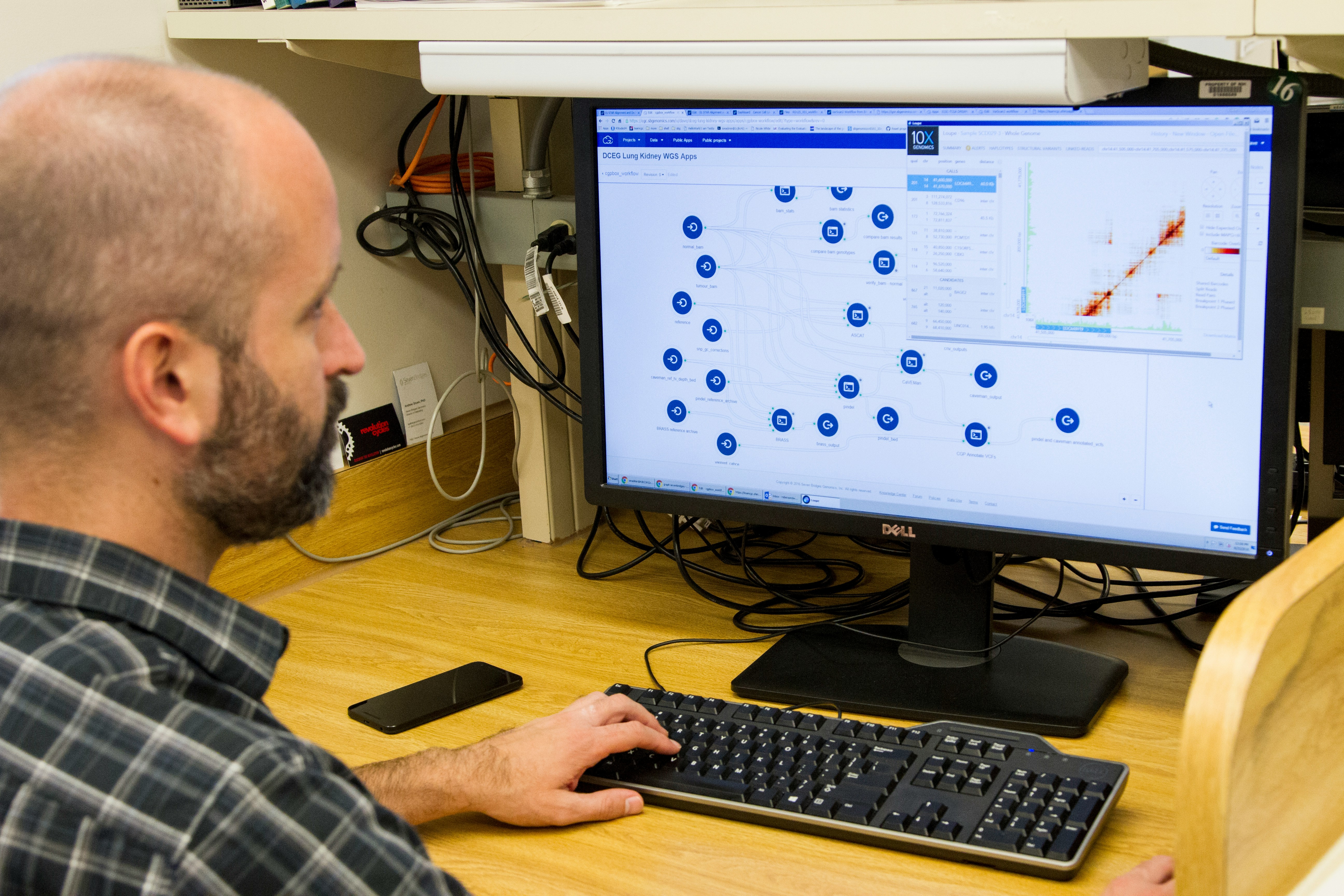
Healthcare is undergoing a digital revolution, and at the heart of this transformation lies clinical informatics. This field bridges the gap between medicine and information technology, harnessing the power of data to improve patient care, research, and overall healthcare delivery.
What is Clinical Informatics?
Clinical informatics is a practical discipline that blends medical expertise with information technology and behavioral management principles. It’s not just about the technology itself, but how effectively it’s integrated into existing healthcare systems and workflows.
Think of it this way: imagine a vast ocean of healthcare data – patient records, lab results, treatment plans. Clinical informatics acts as the life raft, helping us navigate this sea of information and transform it into actionable insights.
Transforming Data into Actionable Knowledge
Clinical informatics has a wide range of applications within the healthcare system:
- Electronic Health Records (EHRs): The rise of EHRs is a prime example of clinical informatics in action. EHRs consolidate patient information into a single, digital platform, improving accessibility and streamlining communication between healthcare providers. However, successful EHR implementation requires careful consideration of existing workflows and user-friendliness.
- Predictive Medicine: Clinical informatics can help us predict individual disease risks. By analyzing vast datasets (big data), healthcare professionals can identify patients who might be more susceptible to certain conditions, allowing for earlier intervention and prevention strategies.
- Epidemic Tracking: Clinical informatics goes beyond traditional healthcare data. By analyzing information from social media platforms and other non-traditional sources, healthcare professionals can track and predict the spread of infectious diseases, potentially saving lives.
Legislation and the Rise of Clinical Informatics
Government policies have played a significant role in the advancement of clinical informatics. Legislation like the HITECH Act in the US incentivized the adoption of EHRs and “meaningful use” to ensure doctors are effectively utilizing these systems.
The Future of Clinical Informatics
The future of healthcare hinges on our ability to leverage data effectively. Clinical informatics is poised to play a central role in this endeavor. By fostering collaboration between healthcare professionals, technologists, and policymakers, we can unlock the full potential of data to revolutionize healthcare delivery, improve patient outcomes, and create a more efficient and effective healthcare system for all.
Discover more from Doctor Trusted
Subscribe to get the latest posts sent to your email.