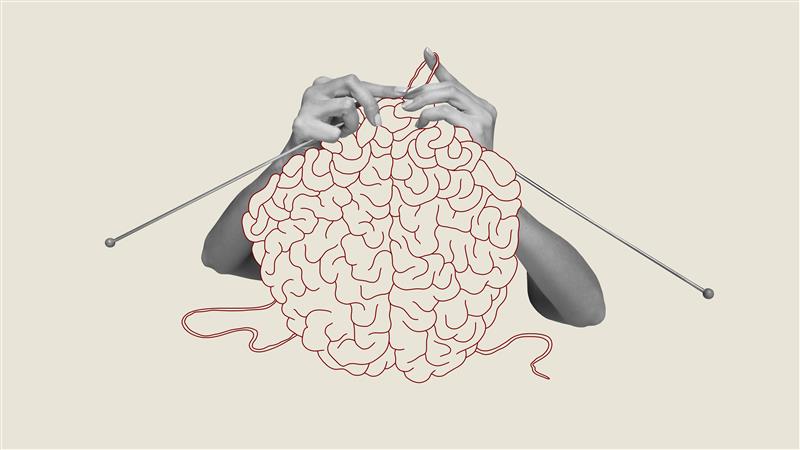

Stress is an inevitable part of modern life, affecting individuals across various demographics. While conventional medical treatments like pharmacotherapy and psychotherapy remain crucial, there is growing interest in alternative methods for stress management. Two such methods, acupuncture and aromatherapy, have gained significant attention for their potential benefits. Let’s understand these alternative therapies, exploring their mechanisms, efficacy, and practical applications in clinical practice.
Understanding Stress and Its Impact
Before delving into alternative treatments, it’s essential to understand the nature of stress and its impact on health. Stress is the body’s response to any demand or challenge, whether physical, emotional, or psychological. Chronic stress can lead to a multitude of health issues, including hypertension, cardiovascular disease, anxiety, depression, and immune system suppression.
Traditional stress management techniques often involve lifestyle modifications, cognitive-behavioral therapy (CBT), and medications. However, these methods may not be sufficient or suitable for all patients. Integrating alternative therapies like acupuncture and aromatherapy can provide a holistic approach to stress management, enhancing overall well-being.
Acupuncture: An Ancient Practice with Modern Relevance
History and Principles of Acupuncture
Acupuncture is a traditional Chinese medicine (TCM) practice that has been used for thousands of years. It involves the insertion of fine needles into specific points on the body, known as acupoints, to regulate the flow of energy or “Qi” (pronounced “chee”). According to TCM, Qi flows through pathways called meridians, and disruptions in this flow can lead to illness and stress.
Mechanisms of Action
Modern research suggests that acupuncture may influence the body through several mechanisms:
- Neurotransmitter Release: Acupuncture stimulates the release of endorphins and other neurotransmitters, promoting a sense of well-being and reducing pain perception.
- Modulation of the Autonomic Nervous System: It may balance the autonomic nervous system, reducing sympathetic activity (stress response) and enhancing parasympathetic activity (relaxation response).
- Anti-Inflammatory Effects: Acupuncture has been shown to reduce inflammation by modulating cytokine production.
- Enhanced Blood Flow: It may improve local blood flow, promoting healing and reducing muscle tension.
Clinical Evidence
Numerous studies have investigated the efficacy of acupuncture for stress and related conditions. Key findings include:
- Anxiety and Depression: A meta-analysis published in the Journal of Affective Disorders found that acupuncture was effective in reducing symptoms of anxiety and depression.
- Chronic Pain: The American Journal of Chinese Medicine reported that acupuncture significantly reduced chronic pain, which is often a stressor in itself.
- Stress Reduction: Research in the Journal of Acupuncture and Meridian Studies indicated that acupuncture could lower cortisol levels, a biomarker of stress.
Practical Application
Physicians considering acupuncture for stress management should:
- Ensure Proper Training: Recommend licensed acupuncturists with appropriate training and credentials.
- Patient Assessment: Evaluate patients for suitability, considering factors like fear of needles or coexisting conditions.
- Integrative Approach: Use acupuncture as part of a comprehensive treatment plan, including conventional therapies when necessary.
- Follow-Up: Monitor patient progress and adjust the treatment plan as needed.
Aromatherapy: Harnessing the Power of Scent
Principles and History of Aromatherapy
Aromatherapy involves the use of essential oils extracted from plants to promote physical and psychological well-being. This practice dates back to ancient civilizations, including Egypt, India, and China. Essential oils are believed to influence the body through the olfactory system and direct application to the skin.
Mechanisms of Action
Aromatherapy’s effects can be attributed to several mechanisms:
- Olfactory Stimulation: Inhalation of essential oils stimulates the olfactory system, which has direct connections to the limbic system, the brain area responsible for emotions and memory.
- Pharmacological Effects: Many essential oils have bioactive compounds with anti-inflammatory, analgesic, and anxiolytic properties.
- Psychological Effects: The pleasant scents of essential oils can promote relaxation and reduce stress perception.
Key Essential Oils for Stress Relief
Several essential oils are particularly noted for their stress-relieving properties:
- Lavender: Known for its calming effects, lavender oil can reduce anxiety and improve sleep quality.
- Bergamot: This citrus oil has mood-enhancing and stress-relieving effects, as demonstrated in various clinical studies.
- Chamomile: Often used for its sedative properties, chamomile oil can help reduce anxiety and promote relaxation.
- Ylang-Ylang: This floral oil has been shown to lower blood pressure and cortisol levels, enhancing a sense of calm.
Clinical Evidence
A growing body of research supports the use of aromatherapy for stress management:
- Anxiety Reduction: A study in the Journal of Clinical Nursing found that patients exposed to lavender oil experienced significant reductions in anxiety.
- Sleep Improvement: Research published in Evidence-Based Complementary and Alternative Medicine indicated that chamomile aromatherapy improved sleep quality in patients with chronic stress.
- Workplace Stress: A study in the International Journal of Nursing Practice reported that nurses who used bergamot aromatherapy experienced reduced stress and burnout.
Practical Application
For physicians looking to incorporate aromatherapy into stress management protocols:
- Selection of Quality Oils: Ensure the use of high-quality, pure essential oils without synthetic additives.
- Personalized Approach: Tailor the choice of essential oils to individual patient preferences and needs.
- Safe Usage: Educate patients on safe usage, including dilution for topical application and appropriate inhalation methods.
- Complementary Use: Combine aromatherapy with other stress management techniques, such as relaxation exercises or mindfulness.
Integrating Acupuncture and Aromatherapy into Clinical Practice
Holistic Assessment
When considering alternative therapies, a holistic assessment of the patient is crucial. This includes:
- Medical History: Evaluate for any contraindications or potential interactions with current treatments.
- Lifestyle Factors: Assess lifestyle factors contributing to stress, such as work environment, relationships, and diet.
- Patient Preferences: Discuss the patient’s openness to and previous experiences with alternative therapies.
Developing a Treatment Plan
A well-rounded treatment plan might include:
- Combination of Therapies: Integrate acupuncture and aromatherapy with conventional treatments like CBT or medication.
- Patient Education: Inform patients about the benefits, potential side effects, and realistic expectations of alternative therapies.
- Monitoring and Adjusting: Regularly monitor patient progress and adjust the treatment plan based on outcomes and feedback.
Overcoming Barriers
Common barriers to the adoption of alternative therapies include:
- Lack of Awareness: Educate patients and healthcare providers about the evidence supporting acupuncture and aromatherapy.
- Cost and Accessibility: Address concerns about cost and accessibility by providing information on affordable options and potential insurance coverage.
- Cultural Perceptions: Respect cultural beliefs and attitudes towards alternative therapies, providing culturally sensitive care.
Case Studies and Practical Examples
Case Study 1: Integrating Acupuncture for Chronic Stress
A 45-year-old woman presents with chronic stress, manifesting as insomnia, headaches, and muscle tension. She has tried various medications with limited success and is interested in exploring alternative treatments.
Approach:
- Initial Assessment: Comprehensive evaluation, including medical history and stress triggers.
- Acupuncture Treatment: Referral to a licensed acupuncturist for weekly sessions focusing on acupoints related to stress relief.
- Complementary Therapies: Incorporation of mindfulness exercises and regular follow-up visits to monitor progress.
Outcome: After eight weeks, the patient reports significant improvement in sleep quality, reduced headache frequency, and decreased muscle tension. She continues acupuncture sessions monthly for maintenance.
Case Study 2: Aromatherapy for Workplace Stress
A 35-year-old nurse experiencing high levels of stress and burnout due to the demanding nature of her job seeks alternative stress management strategies.
Approach:
- Selection of Oils: Introduction to lavender and bergamot essential oils, known for their calming and mood-enhancing effects.
- Usage Plan: Instruction on using a diffuser at home and applying diluted oils to pulse points during breaks at work.
- Additional Support: Recommendation of relaxation techniques, such as deep breathing exercises, to complement aromatherapy.
Outcome: The nurse reports feeling more relaxed and less anxious, with improved mood and energy levels. She integrates aromatherapy into her daily routine and shares her positive experience with colleagues.
Future Directions and Research
While the current evidence supporting acupuncture and aromatherapy for stress management is promising, further research is needed to strengthen the scientific foundation of these therapies. Future studies should focus on:
- Standardized Protocols: Developing standardized treatment protocols to ensure consistency and reliability of results.
- Long-Term Outcomes: Investigating the long-term effects of acupuncture and aromatherapy on stress and overall health.
- Mechanistic Studies: Exploring the underlying mechanisms of action to better understand how these therapies exert their effects.
Acupuncture and aromatherapy offer valuable, complementary approaches to traditional stress management techniques. By understanding their mechanisms, evidence, and practical applications, physicians can enhance their ability to provide holistic care to patients experiencing stress. Integrating these alternative therapies into clinical practice requires a thoughtful, individualized approach, ensuring patient safety and optimizing outcomes. As interest in holistic and integrative medicine continues to grow, these therapies will likely play an increasingly important role in comprehensive stress management strategies.
***Disclaimer
The information provided in this article is intended for educational and informational purposes only and does not constitute medical advice. The content is not intended to be a substitute for professional medical judgment, diagnosis, or treatment. Always seek the advice of your physician or other qualified healthcare provider with any questions you may have regarding a medical condition or the use of alternative therapies such as acupuncture and aromatherapy.
While efforts have been made to ensure the accuracy of the information contained herein, the authors and publishers make no representations or warranties about the completeness, accuracy, or reliability of the information. The use of alternative therapies should be based on the individual’s specific medical condition and personal circumstances, and it is important to consult with a healthcare professional before beginning any new treatment.
The authors and publishers disclaim any liability for any direct, indirect, incidental, or consequential damages arising from the use or misuse of the information contained in this article. This article is not intended to endorse or promote any specific product, procedure, or treatment and should not be interpreted as such.
Discover more from Doctor Trusted
Subscribe to get the latest posts sent to your email.