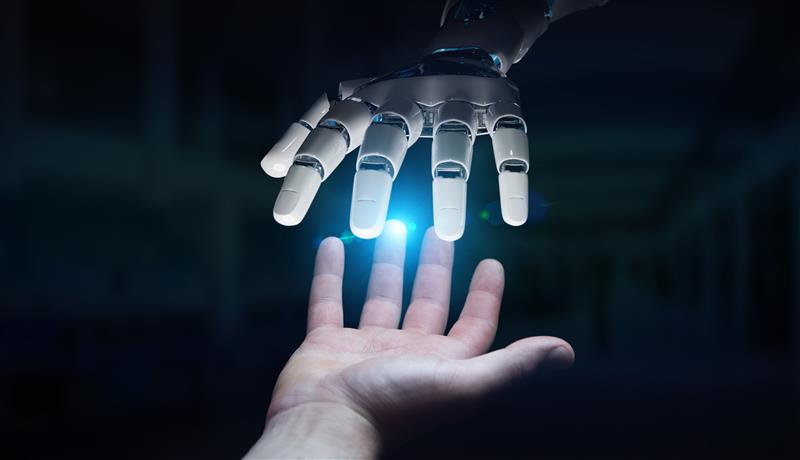
The demand for innovation is insatiable. The integration of cutting-edge technologies like the Internet of Things (IoT) is transforming how healthcare is delivered, offering a multitude of benefits that enhance patient care, streamline operations, and empower medical professionals.
Internet of Things (IoT)
Imagine a vast network of interconnected physical devices – smartphones, wearables, medical equipment, and even hospital infrastructure – all seamlessly collecting and exchanging data. This interconnected world is the essence of IoT. These devices are embedded with sensors, software, and internet connectivity, creating a real-time tapestry of information that revolutionizes data collection and analysis in healthcare.
IoT in Healthcare
The healthcare industry has enthusiastically embraced IoT, recognizing its potential to revolutionize patient care, optimize workflows, and enhance overall efficiency. Here are some of the ways IoT is making a difference:
- Remote Patient Monitoring: Imagine a scenario where chronic disease patients can be monitored from the comfort of their homes. IoT devices like smart blood pressure cuffs, glucose monitors, and weight scales can collect vital signs and transmit them securely to healthcare providers in real time. This continuous data stream empowers doctors to proactively intervene and prevent potential complications, leading to improved patient outcomes and reduced hospital readmission rates.
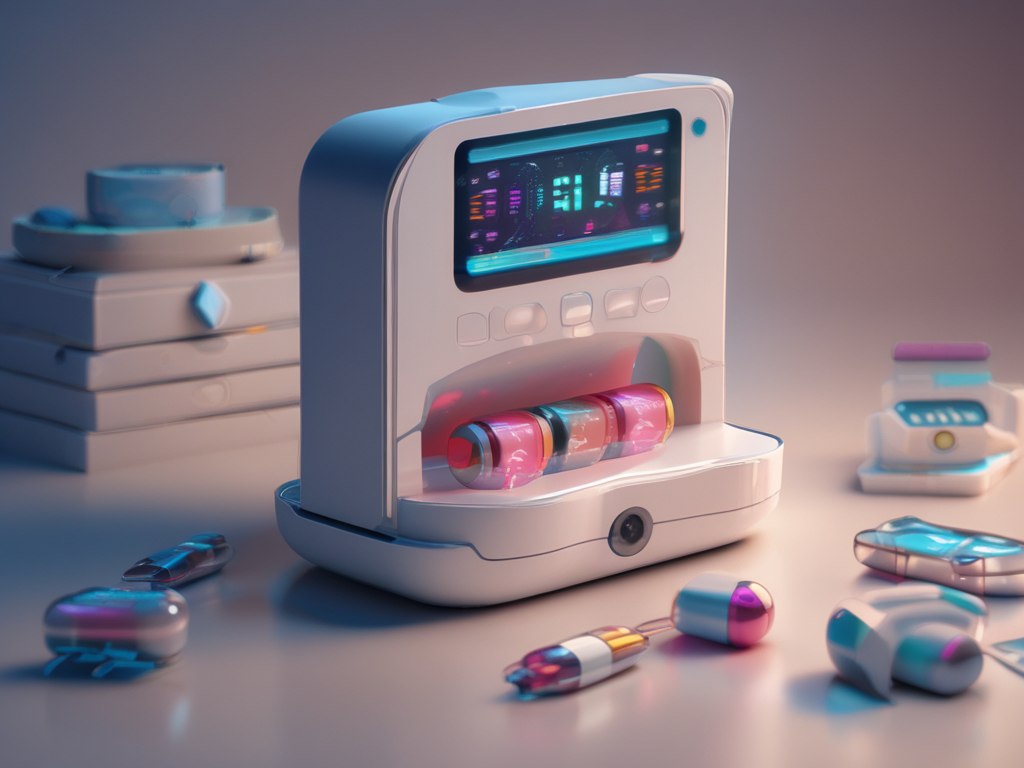
- Chronic Disease Management: Beyond monitoring vitals, IoT can play a crucial role in managing chronic diseases like diabetes. Smart pill dispensers can ensure medication adherence, while connected inhalers can track usage patterns for asthma patients. This empowers patients to take a more active role in their health management and collaborate effectively with healthcare providers.
- Mental Health Management: The mental health field is also leveraging the power of IoT. Wearable devices can track sleep patterns, heart rate variability, and activity levels, potentially providing insights into mental health conditions like anxiety and depression. Additionally, apps connected to smartwatches can offer relaxation techniques and cognitive behavioral therapy modules, promoting self-management and early intervention.
Streamlining Operations with IoT
The benefits of IoT extend beyond patient care, optimizing hospital operations and resource allocation:
- Smart Inventory Management: Hospitals often grapple with stock shortages and expired medications. IoT sensors integrated with inventory management systems can provide real-time visibility into stock levels, preventing critical supply shortages and reducing waste. This intelligent inventory management streamlines procurement processes and ensures that essential medications and equipment are always available when needed.
- Asset Tracking and Optimization: Losing track of expensive medical equipment can be a major challenge in hospitals. IoT technology can track the location and status of equipment throughout the facility, ensuring efficient utilization and preventing misplacement or theft. Real-time tracking optimizes resource allocation, reduces downtime for procedures, and lowers overall costs.
- Improved Environmental Monitoring: Maintaining a sterile and comfortable environment is crucial for patient well-being. IoT sensors can monitor temperature, humidity, and air quality within hospital wards, triggering alerts if conditions deviate from optimal ranges. This proactive approach helps ensure patient comfort and prevent the spread of airborne infections.
Empowering Healthcare Professionals
The real-time data generated by IoT devices empowers healthcare professionals in several ways:
- Data-Driven Decisions: Physicians can leverage the vast amount of patient data collected by IoT devices to make more informed decisions about diagnosis, treatment plans, and medication adjustments. This data-driven approach can personalize treatment plans and improve patient outcomes.
- Improved Communication and Collaboration: IoT platforms can facilitate communication and collaboration between healthcare providers. Real-time patient data can be shared securely, allowing specialists and remote care teams to contribute to patient care plans more effectively.
- Reduced Administrative Burden: IoT can automate routine tasks such as data entry and appointment scheduling, freeing up valuable time for medical professionals to focus on patient care. This streamlining of administrative processes can improve overall efficiency and reduce physician burnout.
The Human Touch in IoT-driven Healthcare
While technology plays a critical role, the human touch remains paramount in healthcare. Here’s how IoT can enhance the patient experience:
- Improved Patient Engagement: IoT-powered apps can educate patients about their conditions, provide medication reminders, and facilitate communication with healthcare providers. This empowers patients to take a more active role in their health and fosters a sense of ownership over their well-being.
- Personalized Patient Navigation: Large hospitals can be confusing for patients. IoT-powered indoor navigation systems can provide patients with turn-by-turn directions to specific departments or exam rooms, reducing anxiety and wait times.
The Future of IoT in Healthcare
The future of IoT in healthcare is brimming with exciting possibilities that promise to further revolutionize the industry:
- Personalized Medicine and Precision Healthcare: The vast amount of data collected by IoT devices will fuel the rise of personalized medicine. By analyzing genetic predispositions, lifestyle habits, and real-time health data, healthcare providers can tailor treatment plans to individual patients, optimizing outcomes and minimizing side effects.
- Predictive Analytics and Preventive Care: IoT-generated data will empower healthcare systems to leverage predictive analytics. Machine learning algorithms can analyze vast datasets to identify potential health risks before they manifest as full-blown diseases. This allows for proactive interventions, such as early detection and preventative measures, leading to improved overall population health.
- Virtual Hospitals and Remote Care Delivery: IoT will pave the way for the expansion of virtual hospitals These facilities will leverage telemedicine consultations, remote patient monitoring, and connected medical devices to deliver quality care to patients in remote areas or those with limited mobility. This model of care delivery can improve access to healthcare services and reduce geographical disparities in healthcare quality.
- Augmented Reality and Enhanced Surgical Procedures: Imagine surgeons with a real-time view of a patient’s anatomy overlaid with crucial data during surgery. This is the promise of IoT-integrated augmented reality (AR). AR headsets can provide surgeons with vital information about a patient’s anatomy, blood flow, and potential complications, enhancing precision and safety during complex procedures.
- Artificial Intelligence and IoT-Powered Decision Support: AI will play a transformative role in healthcare, leveraging the power of IoT data. AI algorithms can analyze vast datasets of patient information, medical literature, and real-time patient data to provide real-time clinical decision support. This can assist healthcare providers in making informed diagnoses, recommending the most effective treatment options, and predicting potential patient outcomes.
Challenges and Considerations
Despite the immense potential of IoT in healthcare, there are challenges that need to be addressed:
- Data Security and Privacy: The vast amount of personal health data collected by IoT devices raises concerns about data security and privacy. Robust cybersecurity measures are essential to protect sensitive patient information from unauthorized access or breaches.
- Interoperability and Standardization: The healthcare industry lacks standardized data formats and communication protocols across different IoT devices and platforms. This interoperability issue can hinder data integration and limit the potential of IoT-driven healthcare solutions.
- Infrastructure and Cost Considerations: Implementing and maintaining an IoT infrastructure can be expensive. Hospitals and healthcare institutions need to weigh the initial investment against the long-term benefits of improved efficiency and patient outcomes.
- Ethical Considerations: The use of AI in healthcare raises ethical concerns about bias and transparency. Algorithms are only as good as the data they are trained on, and biased data can lead to discriminatory treatment recommendations. Healthcare institutions need to ensure transparency and fairness in AI-driven decision support systems.
The Internet of Things is revolutionizing healthcare, offering a plethora of benefits that enhance patient care, streamline operations, and empower healthcare professionals. As we move forward, addressing the challenges of data security, interoperability, and ethical considerations will be crucial to unlocking the full potential of this transformative technology.
Discover more from Doctor Trusted
Subscribe to get the latest posts sent to your email.