
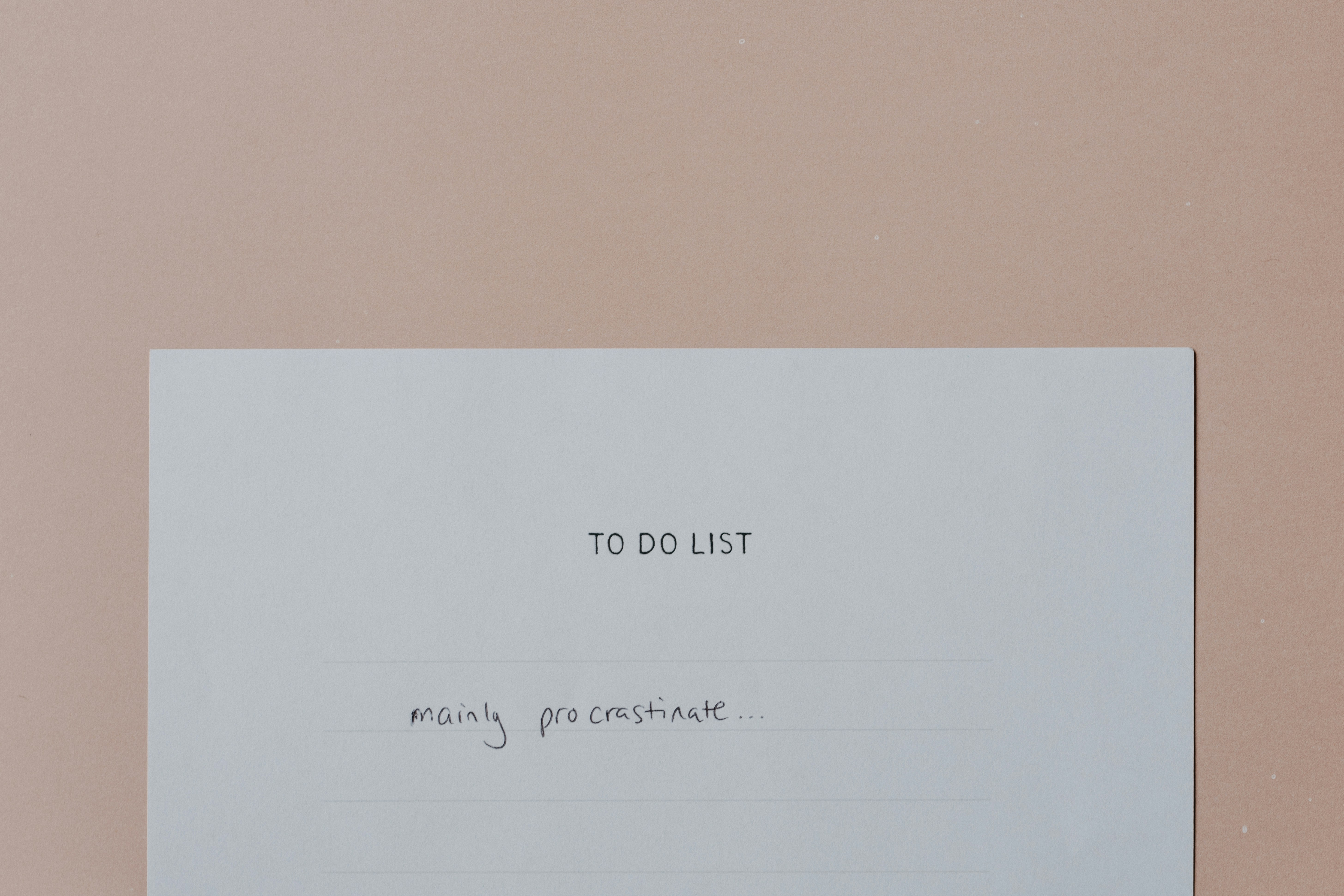
Disorganization & Procrastination’s Silent Pact with the Quality of Life
Up to a quarter of people worldwide may be characterized as dispositional chronic procrastinators.
Picture a room jam-packed with all sorts of stuff: heaps of books, piles of bills, a stack of unwashed dishes, clothes strewn about, random knick-knacks, and even some outdated, well-worn furniture.
It’s worth pondering, even when you think everything’s A-OK. Disorder is like a chameleon, effortlessly taking on different shapes and mastering the art of disguise.
In the contemporary era, importance is given to efficiency, productivity, and the ability to deliver results. However, the unseen threads linking external chaos, internal mess, chronic procrastination, and life quality have a profound impact on all of us. They leave their mark on life plans and sometimes alter them against our judgment.
Let’s understand the connection between external disorder, internal state, procrastination, and our overall quality of life.
Procrastination and Disorder
In the article Procrastinators and Clutter: An Ecological View of Living with Excessive Stuff by Joseph R. Ferrari, Catherine A. Roster, Kendall P. Crum, and Matthew A. Pardo, a study delves into the connection between chronic procrastination and disorder in living spaces, involving 346 young individuals.
The research pinpointed that procrastination tendencies were particularly associated with clutter — the belief that living spaces have an excess of stuff, the feeling of being overwhelmed by possessions, and the negative impact of numerous possessions on one’s personal life. Clutter in living spaces, coupled with negative emotions and compromised social abilities, forecasted high procrastination scores. Notably, clutter emerged as the most reliable predictor of procrastination based on multiple regression. In essence, chronic procrastinators reported grappling with too much clutter (possessions or stuff) and acknowledged that this clutter interferes with the quality of their lives.
Now, let’s dive into the three types of disorder: creative, temporary, and chronic.
Albert Einstein once mused, “If a cluttered desk is a sign of a cluttered mind, of what, then, is an empty desk a sign?” However, it’s essential to note that Einstein was an exceptionally creative individual. Creativity stands out as an exception to the rule. For these people, a cluttered work desk and life signify a bubbling cauldron of activity.
Temporary disorder is a phase everyone goes through at times, and it’s usually not a cause for concern if order predominantly prevails over disorder.
On the flip side, chronic disorder, which lingers throughout one’s life or persists endlessly, is where the adverse impact of chaos on a person’s success and health begins.
Consider this straightforward scenario. Have you ever been tardy for work because you couldn’t locate your keys before heading out? Or perhaps you got sidetracked from crucial tasks contemplating the organization of your work desk? Individuals surrounded by clutter are notably more inclined to procrastinate and defer critical decisions. The connection arises from the fact that disorder in the environment is linked to negative emotions and difficulties in maintaining social connections. Additionally, it can impact the financial facet of life: when documents are in disarray, it’s easy to misplace a utility bill or overlook paying the credit card bill, resulting in penalties and fines.
A messy space doesn’t just affect how things look. Our homes are like a snapshot of who we are, what’s going on inside, and how we feel about our space. When it stops being a place you value, or when there’s no respect for it, it loses its meaning. You stop paying attention to it, and it loses that cozy, warm feeling. Even if it’s filled with fancy things, it starts feeling gloomy and empty, lacking the good vibes necessary to unwind, feel content, and kick off a new day.
The previously mentioned study found a connection between chronic procrastinators and having way too much stuff that messed with their quality of life.
In essence, there’s a tight-knit connection between an overflow of possessions, disorder, and the overall quality of life.
Ever wonder why a messy room seems to mess with your mood?
Well, it turns out there’s a connection between the state of your space and what’s going on inside your head.
When we decide to live in chaos, it’s like setting the bar low — anything goes, right? But here’s the kicker: all that disorder isn’t just a jumble of stuff; it’s messing with our heads and how we feel. Back in 2016, some smarty-pants researchers at the University of New Mexico (https://www.researchgate.net/publication/298428874_The_dark_side_of_home_Assessing_possession_’clutter’_on_subjective_well-being) found that messy surroundings make people see their homes in a whole different light. It’s like the clutter steals the joy of being home, and that can seriously cramp our style, affecting how satisfied we are with life. The experts noticed that when chaos takes over, people lose control over their space, which leads to stress, feeling down, or getting all jittery.
Now, let’s flip the script. In organized spaces, we are less irritable, less prone to stress, and less distracted. Productivity and concentration abilities increase. Just think about how you feel when your place is tidy, with no unnecessary stuff lying around — your thoughts are clear.
In a crazy, information-packed world, staying focused can be a real challenge. An uncluttered space helps maintain focus, enhances productivity, stimulates creativity, and allows thoughts to float more freely and creatively. Clear thinking means you’re more likely to make smart and spot-on decisions.
Clean and organized spaces positively affect mood and overall mental well-being. While an excess of external items and disorder in the environment leads to anxiety and tension, a decluttered, light, and orderly external space fosters inner peace and tranquility.
Plus, having a well-organized personal space isn’t just about having a tidy room. It’s also tied to feelings of accomplishment, self-esteem boosts, and consistent motivation. According to brain whiz Sophie Scott from University College London, cleaning up leads to more dopamine flowing in your brain, and that’s the happy hormone. So, the next time you do some cleaning, you’re not just sprucing up your place; you’re giving your brain a little joy boost.
Ideas to tackle the mess and beat procrastination:
Clean Up Your Workspace: Get that desk in order! Use folders, boxes, and drawers to minimize the chaos. And don’t forget to tidy up your digital workspace too.
Get Organized with Storage Systems: Invest in storage solutions to keep your stuff and documents in order.
Minimalism is Key: Less is more. Ditch the unnecessary items that clutter your space. If it’s not screaming for your attention, tuck it away.
Build Habits and Routines: Create a routine for regular cleaning and organization. Consistency is key.
Daily Cleanup Time: Dedicate a few minutes each day to tidy up. It doesn’t have to be a full-blown cleaning session – just make it a daily habit.
Think Before You Buy: Be mindful of purchases. Ask yourself, “Does it fit into the big picture? Does it vibe with everything else?”
Remember that the pursuit of orderliness can have a flip side:
Stress Alert: Striving for perfection in organization can stress you out, taking up too much time and energy. Remember to balance it with other essential tasks and downtime.
Unrealistic Expectations: Pursuing that perfectly organized space might set standards that are tough to meet, leading to disappointment.
Avoid the Sterile Vibe: Over-organization can make your space feel too sterile. Let your space reflect your personality and provide comfort.
The whole ordeal of keeping things neat shouldn’t stress you or your crew out. What looks like a mess to one might just be another person’s everyday vibe. A psychology whiz from the University of Southern California in Los Angeles points out that different folks have different tolerance levels for disorder. But everyone can enjoy the perks of giving their space a little cleanup now and then. So, let’s handle it with a bit of regular TLC – no burnout, just good vibes. Make decluttering a triumphant, festive victory ritual!
Discover more from Doctor Trusted
Subscribe to get the latest posts sent to your email.