
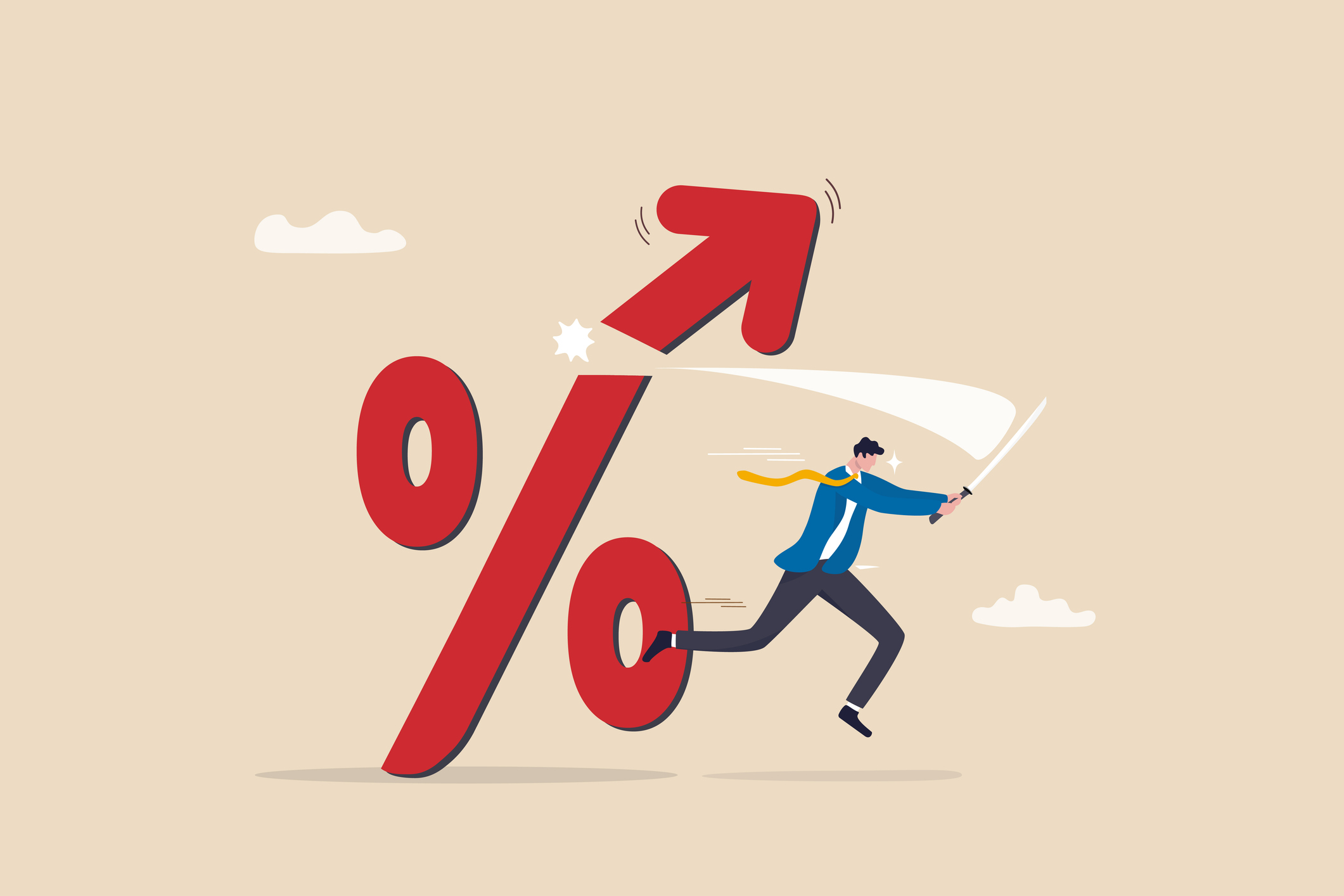
In August, the U.S. economy experienced a combination of steady price increases and a dip in the annual inflation rate, offering a mixed yet hopeful picture for the future. According to the Labor Department’s report, the inflation rate hit its lowest point since February 2021, signaling a possible turn in the tide after months of concern over rising costs. While prices for goods and services continued to edge upward, this decline in inflation suggests that the Federal Reserve may soon ease monetary policy with a potential 0.25% interest rate cut during its September meeting.
This update provides key insights into the factors influencing the economy, as well as the future direction of Federal Reserve policies and how they impact everyday consumers.
Key Highlights from the August Labor Report
The consumer price index (CPI), the primary measure for tracking inflation, rose by 0.2% in August, maintaining steady growth in line with economists’ expectations. Over the past 12 months, the inflation rate dropped to 2.5%, down from 2.9% in July. Although the overall inflation picture appears to be improving, there are still pockets of concern. One area that garnered attention is the core CPI, which excludes the more volatile categories of food and energy. The core CPI rose by 0.3% for the month—slightly higher than the forecasted 0.2%—bringing the 12-month core inflation rate to 3.2%.
While this core inflation rate matched expectations, it underscores the underlying pressures that persist in the U.S. economy, particularly in sectors like housing and healthcare.
The Influence of Housing Costs
One of the biggest drivers of inflation continues to be the cost of housing, a trend that has proven persistent throughout the year. The shelter component of the CPI, which includes rent and housing prices and accounts for roughly one-third of the index, rose 0.5% in August alone. This brings the total annual increase in shelter costs to 5.2%. Given the significant weight of shelter in the CPI calculation, the rise in housing costs continues to put upward pressure on the overall inflation rate.
Housing affordability remains a major issue for many Americans, especially as the cost of both purchasing and renting homes stays elevated. Despite the Federal Reserve’s tightening measures earlier this year, housing demand has remained resilient, propped up by limited supply and ongoing post-pandemic shifts in living preferences. This dynamic has resulted in sustained price hikes in real estate markets across the country, feeding into the broader inflation picture.
Stability in Food Prices and a Drop in Energy Costs
While housing costs remained a point of concern, other sectors showed more favorable trends. Food prices saw a modest 0.1% increase in August, signaling relative stability after months of more significant price hikes. The energy sector, meanwhile, offered some relief, with prices dropping 0.8%. This decline in energy costs comes after a volatile period that saw dramatic price swings, particularly in the wake of geopolitical tensions and supply chain disruptions.
The moderation in food and energy costs is a positive sign for American consumers, who have faced rising grocery and fuel bills over the past year. If these trends continue, they could further alleviate some of the broader inflationary pressures affecting household budgets.
Other Economic Indicators: Used Vehicles, Healthcare, and Apparel
Several other notable areas of the August report highlighted mixed economic conditions. Used vehicle prices, which saw an extraordinary rise during the pandemic due to supply shortages, continued to fall, dropping by 1% for the month. This ongoing decline is a welcome reprieve for buyers in the market for a vehicle, as prices had previously skyrocketed to unsustainable levels.
Healthcare services also saw a modest dip, with medical care services falling by 0.1% and medical care commodities dropping by 0.2%. On the flip side, apparel prices increased by 0.3%, driven by seasonal demand and shifts in consumer spending.
Overall, these fluctuations in key consumer categories reflect the complexity of the current economic landscape, where some areas are stabilizing, while others continue to experience volatility.
Federal Reserve Outlook: A Rate Cut on the Horizon?
With inflation showing signs of moderation, attention now turns to the Federal Reserve and its upcoming policy decisions. In the federal funds futures market, there is now an 85% probability that the Federal Reserve will announce a 25-basis-point rate cut at its next meeting, scheduled for September 18, according to the CME Group’s FedWatch tool.
The Federal Reserve’s decision-making process will hinge on its assessment of inflation trends and the overall health of the U.S. economy. If inflation continues to ease and economic growth slows, a rate cut could be seen as a necessary move to prevent a potential economic downturn. Conversely, if inflationary pressures pick up again, the Fed may choose to delay any rate cuts and instead focus on maintaining price stability.
Given the uncertainties surrounding the global economy, including ongoing supply chain disruptions, geopolitical conflicts, and potential energy market shocks, the Federal Reserve faces a delicate balancing act. Its actions in the coming months will have significant implications for consumers, businesses, and investors alike.
What Does This Mean for Consumers?
For the average American, these inflationary trends and potential changes in Federal Reserve policy have tangible effects on everyday life. As inflation moderates, households may see a gradual easing of price pressures for essential goods and services, particularly in areas like food, energy, and transportation. However, the rising cost of housing remains a major challenge for many families, particularly those in urban centers where rents and home prices continue to rise rapidly.
A potential rate cut by the Federal Reserve could also have a significant impact on borrowing costs, with lower interest rates likely benefiting those seeking loans for homes, cars, and education. However, savers may see reduced returns on savings accounts and other low-risk investments as interest rates fall.
Looking Ahead: A Fragile Recovery
As the U.S. economy continues to navigate the complexities of post-pandemic recovery, inflation remains a central issue. While August’s report signals a positive step in controlling price rises, the road ahead is fraught with challenges. Housing costs, geopolitical uncertainties, and the Fed’s policy responses will all play crucial roles in shaping the future economic landscape.
For now, the focus will be on the Federal Reserve’s upcoming decision and how it interprets the evolving inflation data. As we move into the final months of the year, both consumers and businesses will be watching closely to see how these economic dynamics unfold.
Discover more from Doctor Trusted
Subscribe to get the latest posts sent to your email.