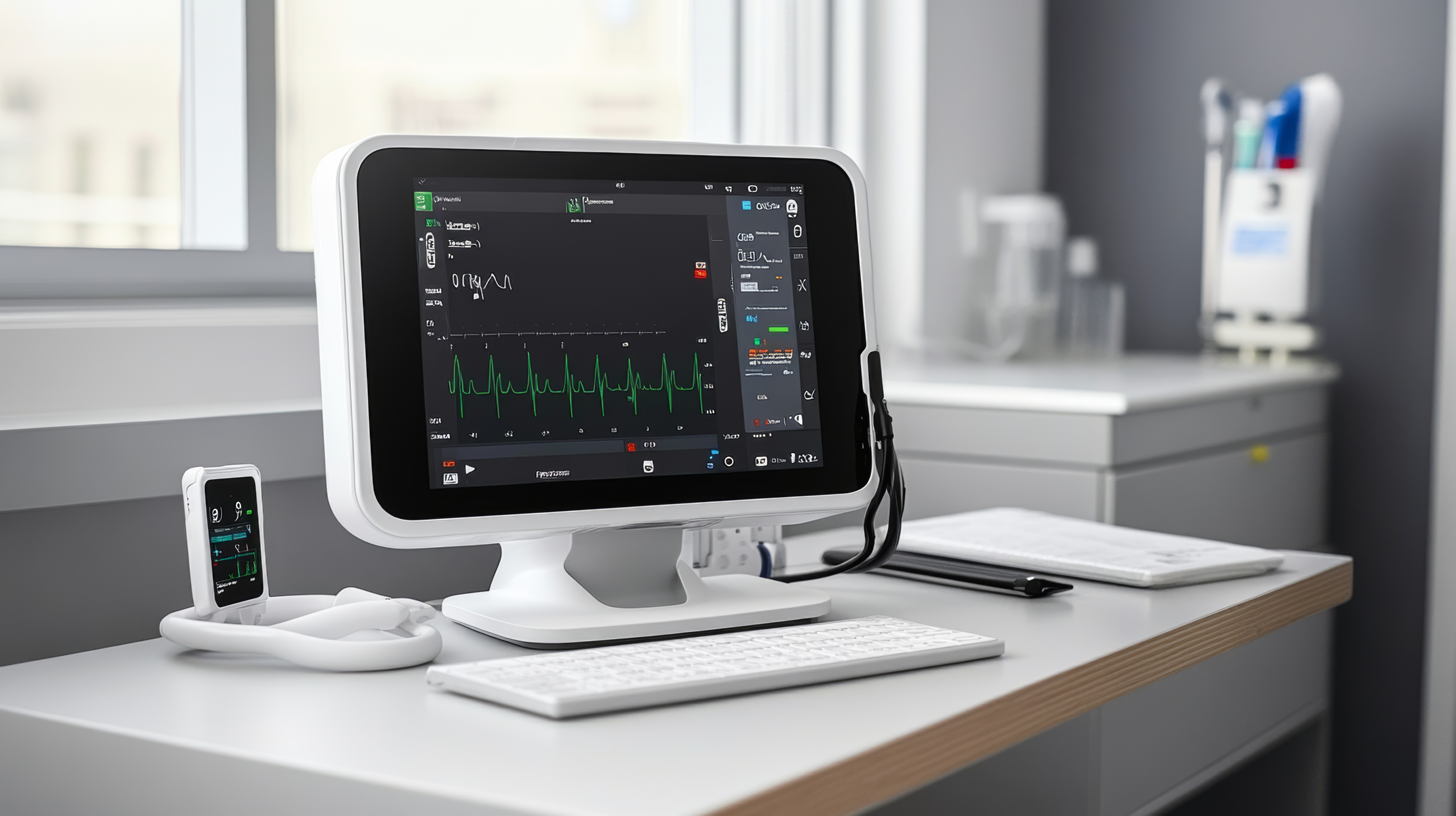
Since 2018, Medicare has supported the use of remote patient monitoring (RPM), a service that allows patients to share health data from connected medical devices, such as blood pressure monitors, with their healthcare providers. This system is designed to help manage chronic conditions more effectively, improving patient outcomes while reducing the need for in-person visits. Since its introduction, RPM has become a key component in managing the health of many Medicare beneficiaries, but its rapid growth has also highlighted several issues.
The use of RPM has seen a dramatic increase since its initial rollout. In 2019, only about 55,000 Medicare beneficiaries participated in the program. By 2022, that number had surged to over 570,000. This substantial growth reflects the increasing reliance on digital health tools and the expanded adoption of RPM services among providers and patients alike. Financially, Medicare’s spending on RPM has mirrored this rise, with payments increasing more than twentyfold between 2019 and 2022.
Despite these promising numbers, an analysis conducted by the Office of Inspector General (OIG) raised concerns about how well RPM services are being implemented. The report revealed that many beneficiaries did not receive all the essential components of RPM, calling into question whether the service is being used as intended.
Gaps in Service Delivery
One of the most significant findings from the OIG analysis was that about 28% of Medicare enrollees using RPM either did not receive proper education on how to use their devices or lacked support in setting them up. This lack of guidance can hinder patients’ ability to benefit from the service, potentially limiting the effectiveness of the RPM program. Furthermore, 23% of beneficiaries were not documented as having a connected medical device at all, raising red flags about whether these services were actually being provided as claimed.
Additionally, around 12% of patients did not receive ongoing treatment management, which is a critical part of RPM’s purpose. This omission suggests that either the service wasn’t fully necessary for these patients, or that they were not able to take advantage of RPM’s potential benefits. Such discrepancies highlight potential inefficiencies in the RPM system and suggest that the program may not be operating as effectively as intended for all enrollees.
Concerns Over Fraud and Abuse
In addition to the service delivery gaps, the OIG and the Centers for Medicare and Medicaid Services (CMS) have expressed concerns about the potential for fraud within the RPM sector. One issue highlighted in the report was the growing trend of companies making unsolicited calls to beneficiaries, enrolling them in RPM services that are never actually provided. Furthermore, some RPM providers may not have sufficient staff to monitor patients effectively, resulting in incomplete or subpar care.
The OIG report also pointed out that Medicare is missing key data needed to properly oversee RPM. Specifically, there is often a lack of information on what condition is being monitored, which staff members are responsible for delivering the services, and which provider ordered the monitoring. This absence of data makes it more difficult for CMS to determine whether RPM services are medically necessary and to identify potential instances of fraud or abuse.
The report emphasized that knowing the ordering provider is crucial for preventing fraud and ensuring that RPM services are being used appropriately. Without this information, CMS’s ability to detect high-risk billing patterns and address issues of improper payments is severely limited.
Recommendations for Improved Oversight
In light of these findings, the OIG recommended that CMS implement stronger safeguards around RPM services. One proposed solution is for CMS to conduct regular reviews of providers who frequently bill for RPM but do not deliver all the required components of the service to their patients. This type of oversight could help identify providers who may be engaging in fraudulent activities or not fully utilizing RPM services as intended.
While these recommendations aim to improve program integrity, it is also important to recognize the value that RPM brings to patient care. Despite the challenges highlighted in the report, many healthcare professionals and digital health advocates continue to stress the importance of RPM in managing chronic conditions, especially for those in underserved areas. For patients with limited access to in-person healthcare services, RPM can be a vital tool for managing conditions such as hypertension, diabetes, and heart disease.
What Can We Expect?
As the healthcare industry continues to evolve, it is clear that RPM will remain a valuable resource for providers and patients. However, its future success depends on resolving the current issues related to service delivery and oversight. Ensuring that patients receive all the components of RPM, including education, device support, and ongoing treatment management, is critical to maximizing the program’s potential.
Although the rapid growth of RPM during the COVID-19 pandemic brought attention to its benefits, it also revealed gaps in implementation. In the rush to adopt new digital health tools, some providers may have prioritized getting services in place quickly over ensuring their long-term effectiveness. Now that the immediate pressures of the pandemic have eased, there is an opportunity to refine how RPM is integrated into healthcare workflows and make necessary adjustments to ensure it is used as effectively as possible.
Oversight will also be essential in the coming years. CMS and the OIG will need to work closely with providers to ensure that RPM services are being used correctly and that any instances of fraud or abuse are swiftly addressed. It includes improving data collection processes and ensuring that all relevant information is available for proper oversight.
Discover more from Doctor Trusted
Subscribe to get the latest posts sent to your email.