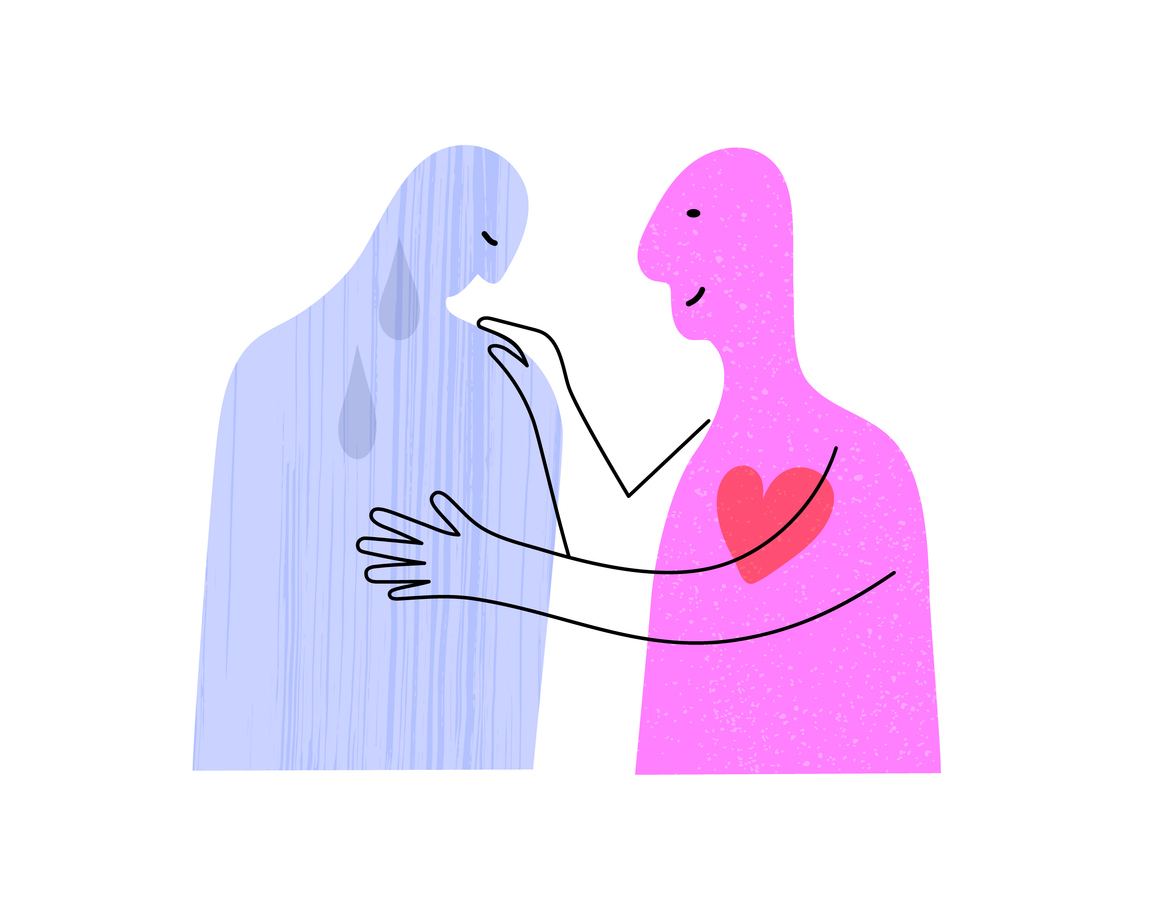

Every February, Valentine’s Day reminds us of the importance of love, connection, and human kindness. While the holiday is traditionally associated with romance, it also serves as a meaningful reminder for healthcare providers about the role of compassion in medicine. Love, in its broadest sense—empathy, care, and kindness—plays a critical role in patient care, shaping experiences, outcomes, and provider-patient relationships. But how can providers share love with patients in a professional and meaningful way? And why does it matter? Let’s explore the science and art of compassionate care and how small acts of kindness can transform healthcare experiences.
The Science of Love and Healing
Love, in the form of compassion and kindness, has measurable effects on health outcomes. Studies have shown that when patients feel cared for, they experience lower stress levels, better immune function, and even faster recovery times. The body’s response to genuine human connection is profound—compassion releases oxytocin, often called the “love hormone,” which reduces stress and promotes emotional well-being. Additionally, positive interactions with healthcare providers can lower cortisol levels, reduce anxiety, and enhance a patient’s overall experience. In a field where stress and uncertainty are common, a provider’s ability to communicate warmth and empathy can be as impactful as the medical treatment itself.
Why Sharing Love in Healthcare Matters
- Improves Patient Trust and Compliance
When patients feel genuinely cared for, they are more likely to trust their providers and follow treatment plans. A patient who experiences a warm and understanding approach will be more engaged in their own healthcare journey. Studies show that trust in healthcare providers significantly influences medication adherence, lifestyle changes, and appointment attendance.
- Enhances Patient Satisfaction and Experience
Patient satisfaction scores are increasingly becoming a benchmark for healthcare quality. But beyond the metrics, satisfied patients feel heard, respected, and valued. A small act of kindness—like remembering a patient’s name, asking about their family, or simply offering a reassuring word—can significantly improve their overall healthcare experience.
- Reduces Provider Burnout
Providers who practice compassionate care not only benefit their patients but also themselves. Burnout is a growing concern in the medical field, often caused by emotional exhaustion and detachment. Interestingly, studies suggest that expressing kindness and building meaningful connections with patients can counteract feelings of detachment, making the work more fulfilling and reducing emotional fatigue. In other words, love and care in patient interactions can be a source of resilience for providers.
- Creates a Ripple Effect
Compassion is contagious. A single act of kindness from a provider can inspire patients, families, and even colleagues to adopt a more caring approach in their own interactions. This ripple effect strengthens the overall culture of healthcare, fostering an environment where both patients and professionals feel valued and respected.
How to Share Love with Patients (Without Crossing Boundaries)
Showing love and care in a professional setting requires balance. Here are some simple yet powerful ways providers can integrate compassionate care into their daily practice:
1. Active Listening
True listening is one of the most profound ways to show care. When patients speak, give them your full attention. Make eye contact, nod in acknowledgment, and respond thoughtfully. Feeling heard is a fundamental human need, and a simple shift in attention can make a patient feel truly valued.
2. Empathetic Communication
The way information is delivered matters. Whether you are discussing a diagnosis or explaining a treatment plan, using a calm, reassuring, and patient-centered approach can ease anxieties. Saying “I understand this is difficult” or “You’re not alone in this” can make all the difference.
3. Small Gestures, Big Impact
A kind word, a reassuring touch on the shoulder (when appropriate), or even a warm greeting can create a sense of comfort. Something as simple as saying, “It’s great to see you today” rather than a neutral “Next patient?” can transform a patient’s experience.
4. Personalized Care
Remembering small details about a patient’s life—like their favorite hobby or an upcoming event—shows genuine interest and care. When providers acknowledge these details, patients feel more than just a number; they feel seen as individuals.
5. Encouragement and Positive Reinforcement
Many patients feel overwhelmed by their health challenges. A provider’s words of encouragement can be a source of strength. Celebrating small victories—whether it’s improved test results or adherence to a care plan—helps patients stay motivated on their health journey.
6. Creating a Comforting Environment
The healthcare setting itself can influence how patients feel. A warm and welcoming environment, from the front desk to the exam room, sets the tone for a positive experience. Smiles, friendly conversations, and even soothing decor can contribute to an atmosphere of care.
Love Beyond Valentine’s Day: A Year-Round Commitment
While Valentine’s Day is a wonderful reminder to share kindness, true compassionate care is a year-round practice. Healthcare providers have a unique opportunity to make a meaningful impact on their patients’ lives with every interaction. By fostering trust, empathy, and human connection, providers contribute not just to better health outcomes but also to a more humane and fulfilling healthcare experience.
Love in healthcare isn’t about grand gestures—it’s about the small, consistent acts of kindness that remind patients they are not alone in their journey. Whether it’s a heartfelt conversation, a reassuring presence, or a simple act of understanding, the love providers share can transform patient care in powerful ways.
So this Valentine’s Day, take a moment to reflect: How can you share a little more warmth, empathy, and kindness in your practice? Your patients—and your own sense of fulfillment—will thank you for it.
Discover more from Doctor Trusted
Subscribe to get the latest posts sent to your email.