
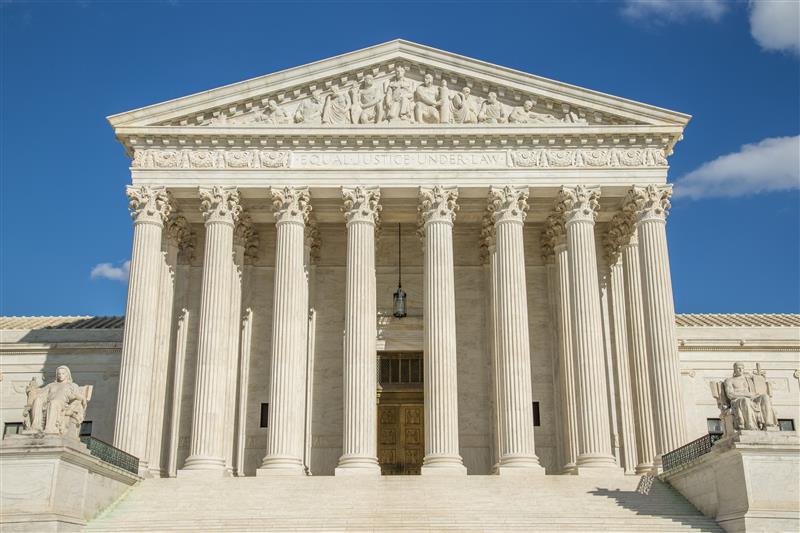
A pivotal U.S. Supreme Court case scheduled for April 21, 2025, is poised to reshape the landscape of preventive healthcare in the United States. As reported by Richard Payerchin in HealthLeaders Media, the case challenges the authority of the U.S. Preventive Services Task Force (USPSTF) to mandate insurance coverage for preventive services without cost-sharing under the Affordable Care Act (ACA). With over 150 million Americans benefiting annually from free preventive services—such as cancer screenings, tobacco cessation programs, contraception, and HIV pre-exposure prophylaxis (PrEP)—a ruling against the USPSTF could disrupt access to care, alter provider workflows, and impact financial stability for healthcare providers.
Background: The Supreme Court Case and USPSTF’s Role
The case, formally known as Robert F. Kennedy Jr., Secretary of Health and Human Services, vs. Braidwood Management Inc., et al., centers on the USPSTF’s authority to enforce no-cost coverage for preventive services under the ACA. Established in 1984, the USPSTF is a panel of 16 volunteer experts who make evidence-based recommendations on preventive care, historically working with the Agency for Healthcare Research and Quality (AHRQ). Since the ACA’s passage in 2010, USPSTF recommendations have carried legal weight, requiring insurers to cover designated services without patient cost-sharing.
The challengers, including Braidwood Management Inc. (a Texas-based, self-insured business covering 70 employees) and Kelley Orthodontics (a Christian professional association), argue that the USPSTF’s mandates—covering services like PrEP, cancer screenings, and immunizations—are invalid. They contend that USPSTF members, appointed by the AHRQ director or HHS secretary, lack proper constitutional authority as “officers of the United States.” The plaintiffs assert that the ACA’s delegation of authority to the USPSTF bypasses required presidential appointment and Senate confirmation processes for principal officers, or at least proper oversight for “inferior officers.”
The federal government, represented by HHS Secretary Robert F. Kennedy Jr., counters that USPSTF members are “inferior officers” who serve as volunteer experts removable at the HHS secretary’s discretion. This removal power, HHS argues, ensures accountability and validates the USPSTF’s recommendations. A 2024 ruling by the 5th U.S. Circuit Court of Appeals partially favored the plaintiffs but limited relief to eight Texas-based companies, setting the stage for the Supreme Court’s review.
The case’s outcome could have “sweeping consequences for patient access to preventive health care,” as noted by NBC News, affecting over 150 million Americans who rely on free preventive services. For providers, the stakes are high, as changes to coverage mandates could disrupt clinical practices, revenue streams, and population health strategies.
Implications for Healthcare Providers
The Supreme Court’s decision will directly impact healthcare providers, including primary care physicians, specialists, hospitals, and community health centers. Below are the key areas of impact and their implications.
1. Financial Impacts: Revenue and Reimbursement Challenges
Preventive services, such as mammograms, colonoscopies, and vaccinations, generate significant revenue for providers, particularly in primary care and outpatient settings. If the Supreme Court invalidates the USPSTF’s authority, insurers may no longer be required to cover these services without cost-sharing, leading to:
- Reduced Patient Utilization: Cost-sharing (e.g., copays or deductibles) could deter patients from seeking preventive care, decreasing visit volumes and associated reimbursements.
- Billing Complexities: Providers may face increased administrative burdens to bill patients for services previously covered at no cost, potentially leading to higher denial rates and revenue cycle disruptions.
- Revenue Loss for Safety-Net Providers: Community health centers and rural clinics, which serve low-income populations reliant on free preventive services, could face significant financial strain if patient volumes drop or uncompensated care rises.
Providers heavily dependent on preventive care revenue must prepare for potential declines and explore alternative revenue streams to maintain financial stability.
2. Operational Challenges: Workflow and Resource Allocation
Preventive care is a cornerstone of primary care workflows, with providers dedicating significant resources to screenings, counseling, and patient education. A ruling against the USPSTF could disrupt these operations by:
- Shifting Clinical Priorities: Reduced demand for preventive services may force providers to reallocate staff and resources to acute or specialty care, disrupting established workflows.
- Increased Patient Education Needs: Providers may need to counsel patients on the value of preventive care despite new costs, requiring additional time and communication strategies.
- Data Reporting Burdens: Changes in coverage could affect quality reporting requirements, such as Healthcare Effectiveness Data and Information Set (HEDIS) metrics, which rely on preventive service uptake to evaluate provider and plan performance.
Smaller practices with limited administrative capacity may struggle to adapt to these operational shifts, necessitating investments in staff training and technology.
3. Clinical and Population Health Impacts
Free preventive services have driven significant improvements in population health, reducing the incidence of chronic diseases and improving early detection of conditions like cancer and HIV. A ruling limiting access could:
- Worsen Health Outcomes: Decreased utilization of screenings and preventive interventions could lead to higher rates of preventable diseases, increasing demand for costly acute care.
- Exacerbate Health Disparities: Low-income and underserved populations, who rely on no-cost services, may face barriers to care, widening health equity gaps.
- Strain Provider-Patient Relationships: Providers may face patient frustration over new costs, complicating efforts to maintain trust and engagement in preventive care.
Providers will need to advocate for alternative mechanisms to preserve access to preventive services, particularly for vulnerable populations.
Broader Industry Trends
The Supreme Court case reflects broader trends in healthcare policy and regulation:
- Increased Scrutiny of Federal Authority: The challenge to the USPSTF’s appointment process aligns with ongoing debates over the constitutionality of federal agencies’ powers, potentially affecting other healthcare regulations.
- Evolving ACA Landscape: The case is part of a series of legal challenges to the ACA, with implications for the law’s stability under the Trump administration.
- Focus on Cost Containment: Businesses and insurers are pushing back against mandated coverage to control costs, which could lead to further restrictions on preventive and other services.
- Health Equity Priorities: Any reduction in preventive care access could conflict with federal and state efforts to address health disparities, prompting new policy interventions.
Providers must stay attuned to these trends to anticipate regulatory changes and adapt their strategies accordingly.
Strategic Recommendations for Providers
To navigate the uncertainty surrounding the Supreme Court case and its potential impact on preventive services, providers should adopt proactive strategies to mitigate risks and maintain high-quality care delivery.
- Diversify Revenue Streams: Reduce reliance on preventive service reimbursements by expanding offerings in specialty care, telehealth, or direct-to-consumer services. Explore value-based care (VBC) contracts with Medicare Advantage or commercial payers to secure predictable revenue through shared savings or capitation models.
- Enhance Revenue Cycle Management: Invest in robust billing systems to handle potential cost-sharing requirements and increased denial risks. Train staff on patient billing and collections to minimize revenue leakage and improve cash flow.
- Strengthen Patient Engagement: Develop education campaigns to emphasize the long-term benefits of preventive care, even if cost-sharing is introduced. Use telehealth and digital tools to maintain patient access and engagement, particularly for underserved populations.
- Advocate for Policy Solutions: Collaborate with professional associations to advocate for alternative funding mechanisms, such as federal subsidies or state programs, to preserve no-cost preventive services. Support policies that maintain health equity and access to care.
- Optimize Clinical Workflows: Streamline preventive care delivery by integrating screenings and counseling into routine visits, reducing operational disruptions if demand decreases. Use data analytics to identify high-risk patients and prioritize preventive interventions.
- Monitor Legal and Regulatory Developments: Stay informed about the Supreme Court’s ruling and subsequent policy changes through industry updates and legal analyses. Prepare contingency plans for different scenarios, such as partial or full invalidation of USPSTF mandates.
- Build Community Partnerships: Partner with community organizations, public health agencies, or federally qualified health centers to offer low-cost or subsidized preventive services, mitigating access barriers for low-income patients.
The U.S. Supreme Court case challenging the USPSTF’s authority to mandate free preventive services under the ACA represents a critical juncture for healthcare providers. A ruling against the USPSTF could reduce patient access to essential screenings, strain provider finances, and exacerbate health disparities, particularly for underserved populations. Proactive adaptation and strategic partnerships will be essential for providers to navigate uncertainty and continue delivering high-quality, equitable care in a rapidly evolving regulatory landscape.
Discover more from Doctor Trusted
Subscribe to get the latest posts sent to your email.