
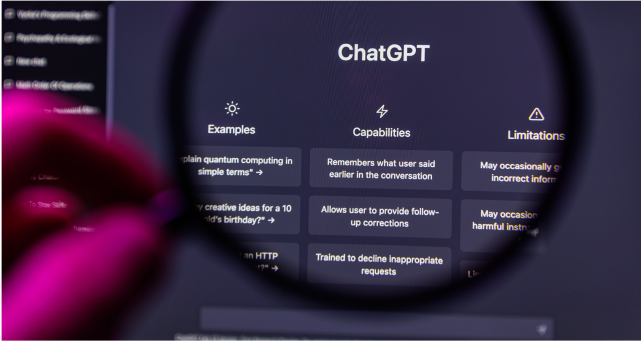
Artificial intelligence (AI) is increasingly viewed as a valuable tool to support clinical diagnostics. ChatGPT, developed by OpenAI, has become one of the most widely discussed technologies in this space. This analysis draws upon recent studies that have evaluated the model’s diagnostic capabilities in real-world medical contexts.
Research Methodology
Recent studies assessing ChatGPT’s diagnostic accuracy examined multiple versions of the model (GPT 3.5 and GPT 4) using clinical cases of varying complexity. Researchers relied on standardized medical databases, curated case studies, and domain-specific ontologies to assess performance.
The most prominent study was conducted by a team led by Ahmed Abdin Hamed at Binghamton University and published in iScience in 2025. The research explored ChatGPT’s ability to recognize core medical components: symptoms, diagnoses, medications, and genetic information.
Discover more from Doctor Trusted
Subscribe to get the latest posts sent to your email.