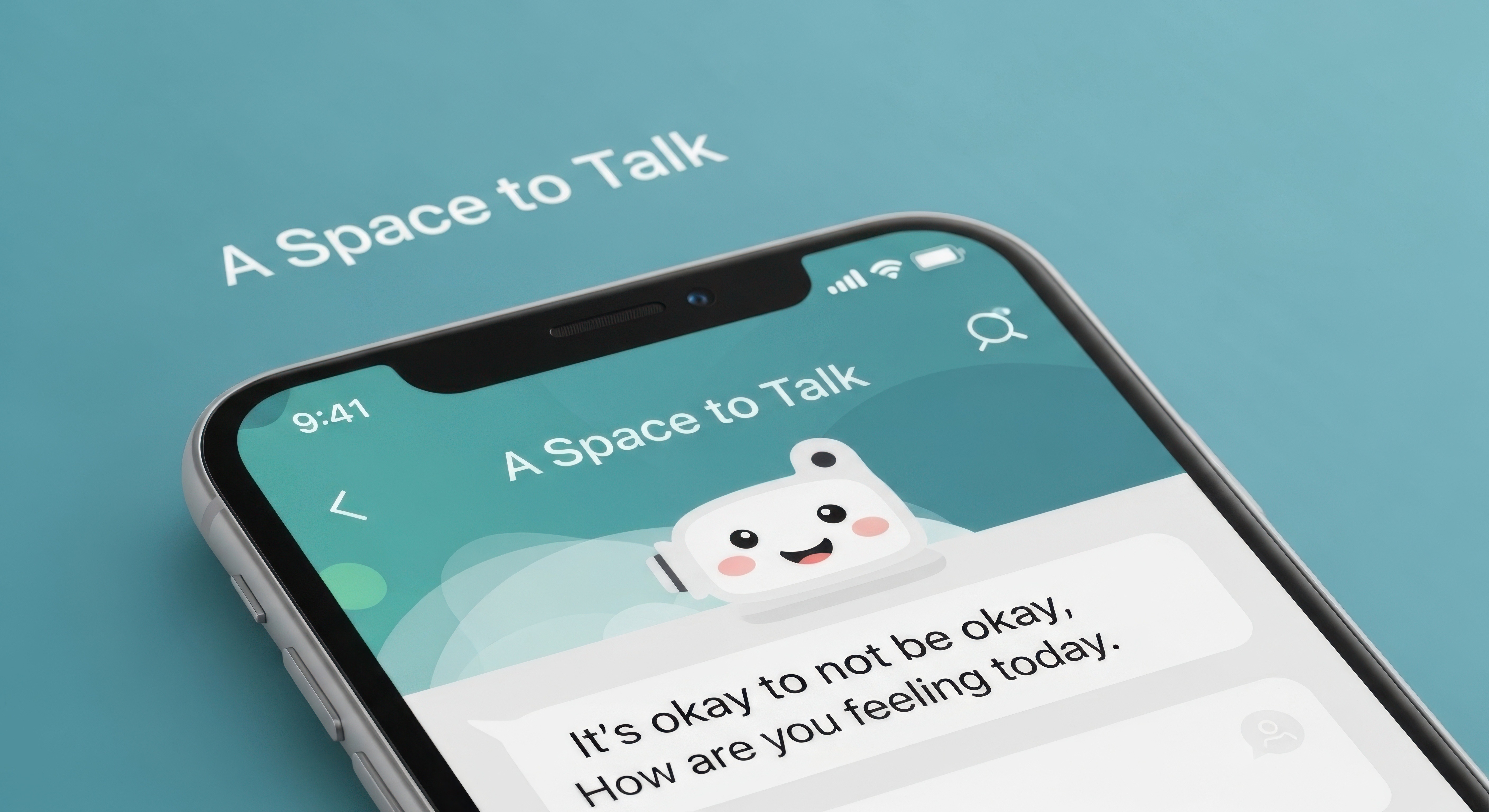
In recent years, artificial intelligence has moved from the periphery of consumer technology into the intimate spaces of emotional life. People now discuss their anxieties with chat-based companions, ask large language models for relationship advice, and use AI-driven apps for meditation, cognitive-behavioral prompts, or crisis-moment grounding. Health systems are piloting conversational agents to assist with intake, triage, and supportive counseling. What was once a speculative idea—computers helping with psychological well-being—is now a rapidly expanding reality.
At the center of this shift lies an increasingly important question: How do humans build trust with artificial intelligence, and what does that trust mean for the future of mental health support?
Understanding this dynamic requires a psychological lens. As AI enters domains traditionally reserved for human empathy and judgment, people must negotiate new kinds of relationships—ones defined not by shared humanity but by perceived competence, emotional presence, and predictability. And the paradox is striking: AI can both amplify harmful biases and provide new forms of support that some individuals may find more accessible than human care.
The result is a landscape where possibilities and risks coexist, and where the central issue is not whether AI will replace clinicians—it won’t—but how humans and machines will collaborate in ways that preserve dignity, autonomy, and emotional safety.
How People Form Trust in AI
Human trust in AI rarely develops rationally. Studies consistently show that individuals rely on mental shortcuts, evaluating algorithms much like they evaluate people:
- Does it respond consistently?
- Does it seem confident?
- Does it “feel” empathetic, even if no emotions are present?
- Does it help me understand myself better?
Psychologists call this anthropomorphizing. When people attribute human qualities to non-human entities, they build familiarity—and familiarity breeds trust.
This is why conversational agents often adopt warm, nonjudgmental tones. It’s not manipulation; it’s mirroring the communication patterns that make humans comfortable. But trust is fragile. A single unexpected or overly formal answer can break the illusion of connection. This dynamic reveals a lot about how humans relate to AI: not simply as tools, but as social partners with predictable emotional logic.
Interestingly, humans show two opposite tendencies in trusting AI:
1. Automation Bias
When AI seems authoritative, people may trust it too much—even when it is wrong. This is particularly risky in mental health, where inaccurate guidance could reinforce harmful beliefs or oversimplify complex emotional states.
2. Algorithm Aversion
At the same time, some individuals distrust AI simply because it is artificial, especially when the task feels deeply human (like understanding grief or trauma).
These conflicting instincts create tension in the adoption of AI-supported care. For virtual therapeutic agents, striking the right balance is crucial: too confident, and they risk misleading the user; too mechanical, and they lose credibility.
The Empathy Question: Can a Machine “Care”?
A central fear in AI-assisted emotional support is that machines lack empathy. After all, empathy is not simply saying “that sounds difficult”—it is the ability to intuit the emotional landscape of another human being.
AI cannot feel. But it can simulate empathic communication patterns, and research shows that simulated empathy can still have positive psychological effects for certain users.
People report feeling:
- listened to,
- less judged,
- more able to disclose sensitive information,
- emotionally regulated after structured conversations with AI.
This does not mean AI replaces the profound, reciprocal connection of human therapy. But it does indicate that empathic-seeming interactions can reduce distress and increase coping skills, particularly between traditional therapy sessions or for individuals with limited access to care.
The ethical question becomes: Is simulated empathy enough in some contexts? And how should health systems integrate it without misrepresenting its capabilities?
Bias: AI’s Strengths and Its Weaknesses
AI inherits patterns from the data it is trained on. If that data reflects the inequalities or stereotypes present in society—racial, gender, cultural, socioeconomic—the model can unintentionally reproduce them.
For example:
- sentiment models may misinterpret emotional tone across cultures,
- decision-making algorithms may over-flag certain groups for risk,
- language models may subtly reinforce harmful assumptions embedded in text sources.
Yet the opposite is also possible. AI can be a tool for reducing bias when deliberately designed to counteract it.
Several emerging strategies demonstrate this potential:
- Using diverse datasets that reflect broad cultural and linguistic realities
- Conducting bias audits in clinical decision support systems
- Training AI to recognize and correct for stigmatizing language
- Using transparent explanations that allow clinicians to challenge algorithmic output
In mental health care, where stigma and misdiagnosis have long histories, AI could—if carefully governed—help standardize assessments and remove some of the human biases that clinicians themselves may bring unconsciously.
But this requires vigilance. AI’s benefits appear only when developers and health institutions treat fairness as a core design principle, not an afterthought.
AI as Support, Not Substitute
The most productive way to understand AI in mental health is not through the lens of replacement but augmentation.
There are several areas where AI can enhance human therapeutic work:
1. Extending Access
Millions lack reliable mental health care due to cost, location, stigma, or language barriers. AI-based tools can provide immediate, low-threshold support—guiding breathing exercises, offering grounding techniques, or helping users track symptoms.
2. Enhancing Clinical Efficiency
Clinicians are burdened with documentation, triage, follow-up, and administrative tasks. AI can automate large portions of this workflow, allowing clinicians to focus on the relational aspects of care that cannot be automated.
3. Supporting Self-Reflection
Structured prompts from AI systems can help individuals articulate emotions, identify stress patterns, or practice CBT-style reframing techniques. Users often feel less judged when disclosing sensitive thoughts to an algorithm.
4. Strengthening Continuity Between Sessions
Patients frequently struggle with emotional regulation in the gaps between appointments. An AI companion available 24/7 can support coping strategies, symptom monitoring, and reminders—all under clinician oversight.
In this context, the role of clinicians becomes more valuable, not less. AI cannot conduct trauma therapy. It cannot navigate complex family systems. It cannot ethically manage crises. But it can support the scaffolding of care around these deep human processes.
Ethical Challenges: Privacy, Boundaries, and Over-Reliance
As people form quasi-relational bonds with AI, new ethical issues emerge.
Privacy and transparency
Users must understand who sees their data, whether conversations are stored, and how information is used to improve the system. Emotional vulnerability requires trust—and trust requires clarity.
Boundary management
AI may feel endlessly available, but developers must build boundaries to prevent unhealthy emotional dependence or confusion about the system’s purpose.
Avoiding the illusion of competence
The more convincing an AI’s language becomes, the easier it is to forget that it has no lived experience. Guardrails, disclaimers, and clear communication about limitations are essential.
Clinician–AI dynamics
As AI systems become more embedded in workflow, clinicians must retain ultimate responsibility for care decisions. AI should inform—not steer—clinical judgment.
A Future Defined by Collaboration
The psychology of human–AI interaction tells us that people will continue building relationships with intelligent systems—sometimes supportive, sometimes complicated. The challenge for developers, clinicians, and policymakers is not to suppress this tendency but to guide it ethically.
The question is not whether virtual therapeutic agents will exist—they already do. The question is how they can enhance human well-being without undermining what makes human care irreplaceable: empathy rooted in lived experience, moral judgment, shared vulnerability, and the healing power of presence.
AI can widen access, support clinicians, and help individuals understand themselves in new ways. But it will never replicate the depth of human connection.
The future of mental health care will likely be hybrid—not human versus machine, but human with machine, each contributing strengths the other cannot provide. The outcome depends on whether society can harness AI’s capacities while preserving the dignity and centrality of human clinicians.
Sources
- de Visser, E. J., & Parasuraman, R. (2015). Adaptive Automation and Trust in Human–Machine Systems. Human Factors.
- Nagendran, M. et al. (2020). Artificial Intelligence Versus Clinicians: Systematic Review. The Lancet Digital Health.
- Ho, A. et al. (2020). Ethical Considerations in AI for Mental Health. Nature Medicine.
- Bickmore, T. & Picard, R. (2005). Establishing and Maintaining Long-Term Human–Computer Relationships. ACM Transactions on Computer-Human Interaction.
- American Psychological Association (2023). AI and Mental Health: Opportunities and Risks.
Discover more from Doctor Trusted
Subscribe to get the latest posts sent to your email.