

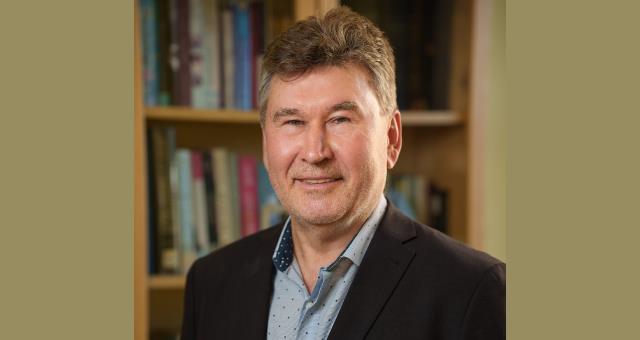
Dr. Iskander D. Enikeev is a board-certified psychiatrist practicing in Brooklyn, New York, affiliated with NYC Health and Hospitals-Elmhurst. A graduate of Kazan State Medical University, Dr. Enikeev has dedicated over four decades to the field of psychiatry, bringing a unique perspective that bridges European and American psychiatric traditions. His expertise spans the treatment of depression, anxiety disorders, ADHD, and a wide range of mental health conditions. In this interview, Dr. Enikeev reflects on his journey in psychiatry and shares insights from his extensive clinical experience at the Stress Relief Center.
Could you briefly share your journey into psychiatry? What drew you to this field, and how has your practice evolved over your 40+ years in it?
Both my parents were psychiatrists, and my family roots naturally influenced my choice of specialty. What fascinates me is that I cannot recall ever dreaming about any romantic professions—I was always confident that I would become a psychiatrist.
The year 2025 marks my 50th anniversary of working in psychiatry. I began as a nurse’s aide at the Kazan Psychiatric Hospital while still a first-year medical student and continued working as a nurse and feldsher throughout medical school. After graduation, I completed a two-year postgraduate residency at the Central Institute of Advanced Medical Education in Moscow, followed by a research position at the Moscow Psychiatric Institute until 1991.
In 1991, I was invited by the University of Chicago for a one-year fellowship, which enriched my knowledge in psychiatry, clinical medical ethics, and law. I then completed my psychiatric training in the United States and finished my residency at St. Luke’s–Roosevelt Hospital of Columbia University in 1997, after which I began building my private practice.
I consider myself very fortunate to have trained and worked in leading institutions in both Russia and the United States, guided by mentors who were among the foremost authorities in the field. This allowed me to integrate the best elements of European psychiatry—rooted in the German tradition—with the clinical and evidence-based strengths of American psychiatry.
In your experience, what are the most common misconceptions patients have about anxiety disorders, and how do you address them in your initial consultations?
A major challenge is that many people still regard psychiatric disorders as purely “psychological”—something to be managed alone or with the help of friends and family. While emotional support is important, we now know that anxiety and mood disorders have a clear biological basis, often involving chronic patterns that can profoundly affect not only emotional well-being but also immune, hormonal, and cardiovascular systems.
Therefore, patient education about the nature of their illness and treatment options is essential. In most cases, a combination of psychotherapy and medication proves more effective than either alone.
Depression remains a leading mental health issue—based on your expertise, what innovative approaches have you found most effective for treatment-resistant cases?
Augmentation strategies can significantly enhance antidepressant response. These include adding vitamin D, methylfolate, T3 (triiodothyronine), low-dose lithium, or an atypical antipsychotic such as Abilify, Rexulti, or Seroquel. I also often use combinations of antidepressants tailored to each patient’s profile.
ADHD in adults is often underdiagnosed. What signs should patients look for, and how does comprehensive diagnosis work?
ADHD is particularly challenging. It is not merely a problem of attention or hyperactivity—there are multiple subtypes, and the clinical presentation can vary widely. In addition to assessing classical symptoms, I always ask patients whether they feel they are underperforming or underachieving relative to their potential. Beyond the full-blown disorder, many individuals experience subtle, mild symptoms that still affect functioning.
Attention problems are ubiquitous—seen not only in psychiatric patients but also in many individuals with medical, neurological, or situational causes. They are comparable to fever, weight gain, or high blood pressure—symptoms that can have multiple origins. Therefore, it is critical to conduct a thorough differential diagnosis, often in collaboration with internists and neurologists, to determine whether the attention deficits stem from ADHD itself or from other medical or psychological conditions.
Insomnia frequently co-occurs with anxiety and depression. What non-pharmacological strategies do you recommend first, and when is medication a necessary step?
Sleep Behavioral Technique based on sleep-hygiene principles is the most effective first-line approach. Combining it with light therapy may further enhance results.
If non-pharmacological interventions are not sufficient, I prefer to begin with a referral for a sleep-lab evaluation. In many cases, sleep quality—including sleep depth—can be significantly improved through targeted recommendations from the sleep study, such as the use of CPAP when indicated.
If these measures are not effective, I recommend a trial of hypnotic medications. As physicians, we always evaluate the risk–benefit ratio, and healthy sleep is enormously important. The potential risks associated with hypnotic medications are generally far lower than the risks and long-term consequences of chronic insomnia.
For women dealing with PMS/PMDD or menopausal mood disorders, how do hormonal fluctuations intersect with mental health, and what tailored therapies do you suggest?
Estrogen and progesterone are powerful hormones, and their fluctuations can have a profound impact on both physical and mental well-being—affecting energy levels, causing anxiety, mood swings, and numerous uncomfortable physical and emotional symptoms.
Fortunately, we now have multiple effective options for support. First-line treatments include antidepressants from the SSRI class—such as Prozac, Paxil, Zoloft, Lexapro, and Celexa—which can even be used intermittently depending on the phase of the menstrual cycle. Mood stabilizers, anxiolytics, and hypnotics can also be very helpful when symptoms are more severe or multifaceted.
Family and relationship problems can exacerbate stress. How do you incorporate relational therapy into your psychiatric practice?
We have about 30 therapists and 15 medication-management providers in our clinic. This is an efficient and very comfortable model. Beyond offering comprehensive treatment to our patients, it allows therapists and prescribers to work closely together.
All our therapists provide family therapy when needed. The Internal Family Systems (IFS) model is becoming increasingly popular, and we support this direction. For our newly hired therapists, we offer an external IFS training course and cover the tuition.
Stress management is a core focus of your work. What’s one evidence-based technique you’d recommend for busy New Yorkers to start today?
For stress management, the trio of CBT (cognitive-behavioral therapy), relaxation techniques, and mindfulness remains time-honored and first-line.
Smoking cessation often ties into anxiety and depression. How do you support patients in quitting while managing the emotional triggers that lead to relapse?
We have several options for smoking cessation—Chantix, Wellbutrin, and nicotine patches. Research suggests that combining Chantix with Wellbutrin is effective for about 74% of people trying to quit. Adding a few CBT sessions further improves outcomes. Using both medication and therapy helps address emotional triggers and reduces relapse risk.
Social phobia can be debilitating. What progress have you seen in telehealth since the pandemic?
Social phobia profoundly affects quality of life. Telemedicine has expanded our ability to help: it is convenient, accessible, and widely appreciated.
Panic disorder episodes can feel overwhelming—could you describe a typical first-line intervention?
Panic disorder is debilitating. Some clinicians believe that its level of subjective suffering approaches that seen in psychotic disorders. CBT and relaxation training can provide rapid relief, as can medication—typically short-term benzodiazepines combined with SSRIs. Other helpful combinations may include gabapentin or small doses of atypical antipsychotics (Seroquel, Zyprexa, Abilify, Rexulti).
For many patients, the anticipation of a panic attack is as torturous as the attack itself; once they have a reliable treatment plan, their quality of life improves dramatically.
How do you view the mind-body connection in treating conditions like chronic stress?
We encourage patients to seek care from other specialists—cardiologists, acupuncturists, and others—when appropriate. The mind and body cannot be separated. Psychosomatic medicine, which originated more than a century ago in Germany and France, remains a core part of our profession. It deserves far more attention from researchers, clinicians, and the public—especially in this country. Europe is significantly more advanced in this field.
For example, many clinicians are unaware that panic attacks are essentially crises of the autonomic nervous system, originating in the diencephalon and producing both physical and emotional symptoms.
How does integrating physical therapy and rehabilitation with psychiatry improve outcomes for patients with comorbid conditions?
Pain disorder is common in our practice—particularly in our Brooklyn office, where we see many geriatric patients with complex medical and psychiatric conditions. Effective treatment requires a multidisciplinary approach. From our side, we work to find the right medication or combination of medications together with therapy. Fortunately, we have many options: all classes of antidepressants may be effective, particularly tricyclics and SNRIs (Cymbalta, Effexor). Mood stabilizers can also help, and some medications are even FDA-approved specifically for pain.
You’ve treated a high volume of patients with anxiety and depression. What trends have you noticed in Brooklyn’s diverse population?
New York is a city of immigrants, and Brooklyn especially so—Brooklyn is a true Babylon. The stress of immigration and the challenges of building a new life are enormous. They often exacerbate pre-existing conditions or trigger new anxiety and mood disorders. These stresses are rarely limited to individuals; worries about family members, both here and abroad, weigh heavily as well.
Immigration also disrupts traditional social roles—children and teenagers, more fluent in the language and culture, often find themselves guiding, interpreting, and even managing responsibilities for their parents or grandparents.
Finally, what emerging trend in psychiatry excites you most for the future, and how might it benefit your patients?
Psychedelics and ketamine represent very promising new treatment avenues. And just as no one can yet fully grasp the future role of AI in all aspects of our lives—though everyone agrees it will be immense—I believe we are approaching a new era of revolutionary interventions that will dramatically expand our ability to help people.
Discover more from Doctor Trusted
Subscribe to get the latest posts sent to your email.


