By Elena Pak, Credentialing Department, WCH
Artificial intelligence–generated “deepfakes” have moved beyond political manipulation and celebrity fraud into a more consequential domain: healthcare. A recent case involving French physician and nutrition expert Serge Hercberg—whose identity was used in fabricated medical videos—illustrates a rapidly escalating threat with direct implications for U.S. clinicians.
For American physicians, this is not a distant or isolated phenomenon. It represents a convergence of misinformation, identity theft, and platform governance failure that directly impacts patient safety, professional liability, and institutional trust.
From Misinformation to Identity Hijacking
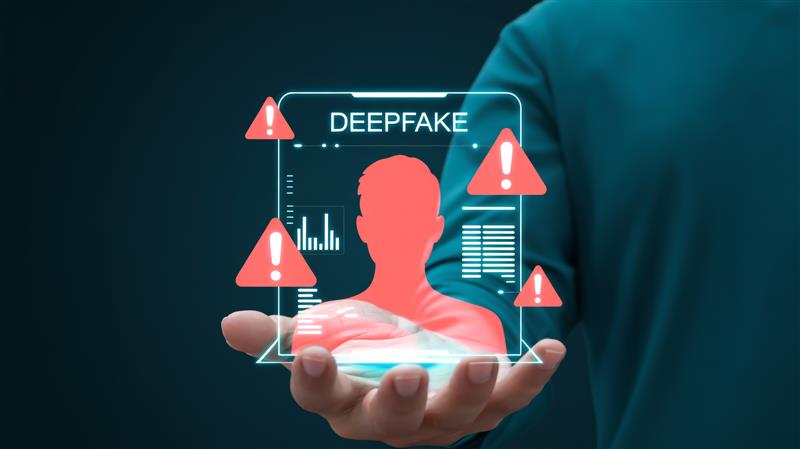
Deepfakes are synthetic media generated using machine learning models—typically generative adversarial networks (GANs) or diffusion-based systems—that can convincingly replicate a person’s face, voice, and mannerisms. In healthcare, this technology is increasingly being used to impersonate physicians and disseminate false medical advice under their authority.
In the Hercberg case, dozens of videos circulated on YouTube featuring a fabricated version of the physician delivering clinically unsound recommendations—ranging from dementia prevention claims to unsupported nutritional interventions. Crucially, these videos did not disclose their AI-generated nature.
This marks a shift from generic misinformation (e.g., unverified health claims) to credential hijacking, where the authority of a real, identifiable clinician is weaponized to increase credibility and virality.
Why This Matters for U.S. Physicians
1. Direct Threat to Patient Safety
Patients increasingly rely on digital platforms for health information. According to the Pew Research Center, a majority of U.S. adults seek health information online, often without verifying source credibility.
Deepfakes exploit this behavior by inserting false guidance under the guise of trusted medical professionals. The result is not merely confusion—it is actionable harm, including:
- Use of ineffective or dangerous treatments
- Discontinuation of evidence-based therapies
- Delayed care seeking
Unlike anonymous misinformation, deepfakes carry borrowed clinical authority, making them significantly more persuasive.
2. Reputational and Legal Exposure
For physicians, identity misuse raises immediate reputational risks:
- Association with fraudulent or unsafe medical claims
- Erosion of professional credibility among patients and peers
- Potential complaints to licensing boards
In the U.S., while legal frameworks are still evolving, several existing doctrines may apply:
- Right of publicity violations (unauthorized commercial use of likeness)
- Defamation if false statements harm reputation
- Fraud or deceptive practices if tied to commercial schemes
Additionally, under emerging state-level AI regulations (e.g., California’s deepfake and synthetic media disclosure laws), failure to clearly label AI-generated content may trigger liability—though enforcement remains inconsistent.
3. Platform Moderation Failures
The Hercberg case highlights a critical operational gap: delayed or ineffective platform response.
Despite multiple reports, it took several days—and escalation—to remove clearly fraudulent content. This reflects a broader structural issue:
- Platforms prioritize engagement metrics (views, watch time)
- Automated moderation struggles with nuanced medical misinformation
- Reporting systems are fragmented and slow
For U.S. physicians, this means that damage can scale faster than remediation, especially when content goes viral.
A Global Pattern, Not an Isolated Case
The misuse of physician identities via deepfakes is now documented across multiple countries:
- Physicians used to promote “miracle” supplements
- Public health figures impersonated in disease treatment claims
- Deceased experts digitally recreated to endorse products
This pattern aligns with findings from the World Health Organization, which has identified misinformation—and now AI-amplified disinformation—as a major global health risk, coining the term “infodemic.”
The addition of deepfake technology significantly amplifies this threat by lowering the cost and increasing the realism of deception.
Impact on the Patient–Physician Relationship
Trust is the central operating currency of clinical care. Deepfakes introduce a new vector of erosion:
- Patients may question whether a physician actually endorsed a treatment
- Conflicting information attributed to the same clinician creates confusion
- Confidence in medical expertise becomes fragmented
As noted by medical regulators in Europe, loss of trust directly correlates with poorer health outcomes. This dynamic is equally applicable in the U.S., particularly in already vulnerable populations with low health literacy.
Operational Risks for Healthcare Organizations
Beyond individual clinicians, health systems and group practices face systemic exposure:
Brand and Network Integrity
Deepfakes targeting affiliated physicians can damage institutional reputation, particularly in competitive markets.
Credentialing and Verification Systems
Ironically, even robust credentialing processes do not protect against external identity misuse. However, organizations specializing in provider data integrity—such as CAQH—may play an indirect role in establishing verified digital identities in the future.
Compliance and Risk Management
Hospitals and MSOs must now consider deepfake scenarios in:
- Incident response planning
- Cybersecurity frameworks
- Patient communication protocols
Legal Landscape: Fragmented and Catching Up
Unlike France, where specific criminal penalties for identity-based media manipulation exist, the U.S. legal environment is patchwork and reactive.
Relevant frameworks include:
- State-level deepfake laws (primarily focused on elections and non-consensual explicit content)
- FTC enforcement against deceptive advertising
- Civil litigation under tort law
At the federal level, legislative proposals addressing AI transparency and synthetic media disclosure are under discussion but not yet comprehensive.
This creates a regulatory lag—a gap between technological capability and legal accountability.
What Physicians Should Do Now
Given the current environment, passive reliance on platforms is insufficient. Physicians should adopt a proactive stance:
1. Monitor Digital Presence
- Regularly search for your name and credentials across platforms
- Use alert tools (e.g., Google Alerts) for new mentions
2. Act Quickly on Suspected Deepfakes
- Report content directly to platforms
- Document URLs, timestamps, and engagement metrics
- Escalate through professional organizations if needed
3. Notify Relevant Entities
- State medical boards
- Employer or affiliated health system
- Legal counsel for potential action
4. Communicate with Patients
If a deepfake gains traction:
- Issue a clear public statement
- Use official channels (practice website, verified social media)
- Reinforce evidence-based guidance
5. Strengthen Digital Identity
- Maintain verified profiles on professional platforms
- Standardize official communication channels
- Consider watermarking or authentication tools for video content
The Strategic Imperative
Deepfakes are not a fringe risk—they are an emerging layer of clinical risk infrastructure.
For U.S. physicians, the implications extend beyond individual incidents:
- Clinical risk: misinformation influencing patient decisions
- Operational risk: reputational and institutional damage
- Legal risk: unclear but evolving liability exposure
The healthcare sector has historically been reactive to digital threats. In the case of deepfakes, that posture is no longer viable.
***
The targeting of physicians through AI-generated deepfakes represents a structural shift in health misinformation. By combining synthetic media with real clinical identities, bad actors can bypass traditional skepticism and directly influence patient behavior.
Until regulatory frameworks and platform governance catch up, the burden of detection and response will fall disproportionately on clinicians and healthcare organizations.
The question is no longer whether this will affect U.S. physicians—but how prepared they are when it does.
Sources
- Medscape Europe. French Nutrition Expert Targeted by Health Deepfakes. April 3, 2026.
- World Health Organization. Managing the COVID-19 infodemic and broader health misinformation reports.
- Pew Research Center. Health Information Seeking Behavior Surveys.
- Chesney R, Citron D. Deepfakes and the New Disinformation War. Foreign Affairs.
- U.S. Federal Trade Commission. Guidance on deceptive advertising and endorsements.
- CAQH. Provider data and credentialing resources.
- California Legislative Information. Deepfake and synthetic media disclosure laws.
Discover more from Doctor Trusted
Subscribe to get the latest posts sent to your email.