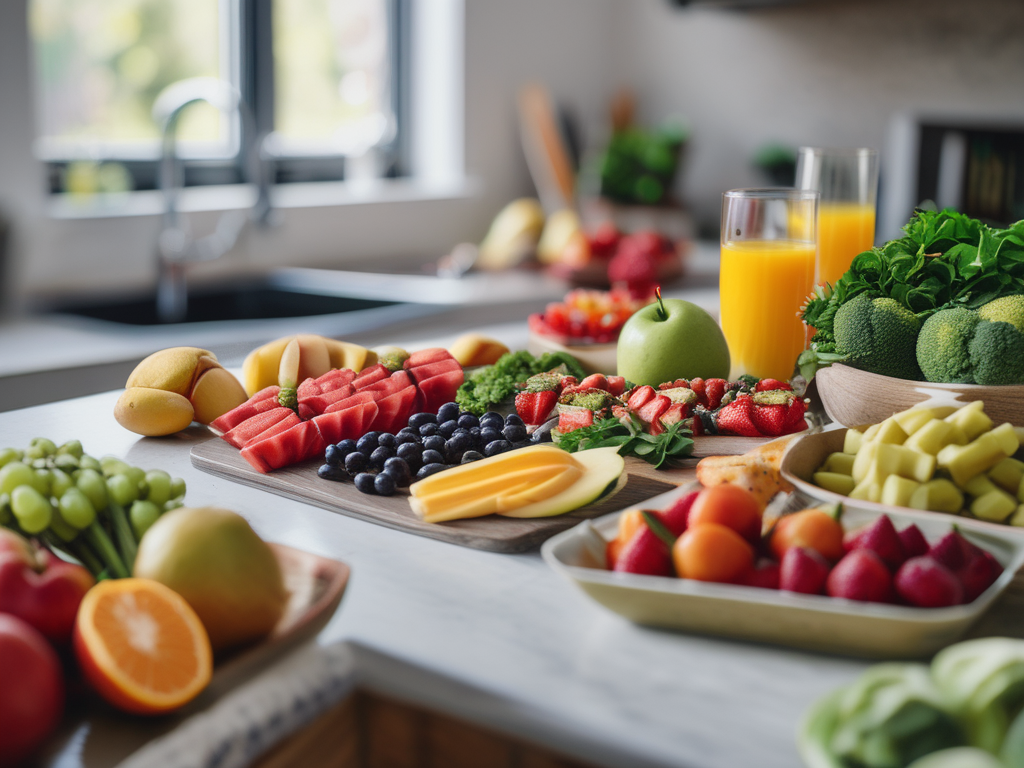
Days blur, and schedules run tight in modern life. That’s why maintaining a healthy and balanced diet can feel like an uphill battle. Often, we resort to quick fixes – grabbing greasy fast food on the go or relying on processed snacks to satisfy hunger pangs. While these options might save time in the short term, they can wreak havoc on our health and energy levels in the long run.
A nutritious and sustainable approach to eating is weekly meal planning. This proactive strategy goes beyond simply jotting down a grocery list. It’s about meticulously crafting a personalized roadmap for your week’s meals, ensuring your body is well-fueled for optimal health and productivity.
The Power of Planning: Benefits Beyond Convenience
Planning your meals for the week offers a plethora of benefits that extend far beyond saving time and money at the grocery store. Let’s delve deeper into the advantages:
- Enhanced Nutrition: By taking control of your menu, you can ensure you’re incorporating a variety of nutrient-rich foods from all food groups – fruits, vegetables, whole grains, lean protein, and healthy fats. This diversity guarantees your body receives the essential vitamins, minerals, and fiber it needs to function optimally.
- Portion Control: Planning meals allows you to pre-portion your food, preventing overindulgence and unhealthy snacking. You can divvy up ingredients into containers or baggies beforehand, creating grab-and-go options for busy days. This mindful approach keeps you on track with your calorie goals and promotes a healthier relationship with food.
- Reduced Food Waste: Impulsive grocery shopping often leads to food spoilage. Meal planning empowers you to create a detailed shopping list, eliminating unnecessary purchases and ensuring you use up all the ingredients you buy. Not only does this save money, but it also minimizes food waste, contributing to a more sustainable lifestyle.
- Stress-Free Mealtimes: The age-old question, “What’s for dinner?” fades away with a well-thought-out meal plan. You don’t have to scramble after a long workday, wondering what to cook. Knowing you have a delicious and healthy meal prepped or planned takes the stress out of mealtimes, allowing you to relax and enjoy your food.
- Boosts Productivity: When your body is nourished with the right foods, you naturally experience increased energy levels, improved focus, and sharper cognitive function. This translates to enhanced productivity at work, better concentration during tasks, and a higher overall quality of life.
Crafting Your Personalized Meal Plan: A Step-by-Step Guide
Ready to embark on your meal planning journey? Here’s a step-by-step guide to help you create a personalized plan that caters to your specific needs and preferences:
- Define Your Goals: Before you dive into meal planning, take a moment to reflect on your goals. Are you aiming for weight loss, muscle building, or simply seeking a more balanced diet? Identifying your goals at the outset helps you tailor your food choices to achieve those objectives.
- Consider Your Schedule: Assess your daily routine, paying attention to your typical breakfast, lunch, and dinner times. How much time do you realistically have for cooking meals throughout the week? Are you packing a lunch or eating out at work? Factoring in your schedule ensures your meal plan aligns with your time constraints.
- Embrace Variety: One of the biggest hurdles with meal planning is falling victim to monotony. To keep things interesting, explore different cuisines, experiment with new recipes, and incorporate a wide variety of fresh ingredients. Remember, healthy eating doesn’t have to be bland!
- Stock Up on Pantry Staples: Building a foundation of healthy staples in your pantry can be a lifesaver on busy days. Keep items like whole grains (brown rice, quinoa, oats), canned beans and lentils, nuts and seeds, dried fruits, healthy oils (olive oil, avocado oil), and spices readily available. These staples can be combined with fresh produce to create quick and nutritious meals.
- Utilize Online Resources: The internet is a treasure trove of meal-planning inspiration. Explore healthy recipe websites, food blogs, and meal planning apps to discover new dishes and streamline the planning process.
Building Your Weekly Menu: A Practical Framework
Now that you’ve laid the groundwork, it’s time to build your weekly menu. Here’s a practical approach to guide you:
- Start with Breakfast: Opt for energizing breakfast options that will kickstart your metabolism and keep you satiated until lunchtime. Some healthy breakfast ideas include Greek yogurt with berries, whole-wheat toast with avocado and eggs, oatmeal with nuts and seeds, or a protein smoothie.
- Lunchtime Solutions: When planning lunches, prioritize portability and convenience for busy weekdays. Pre-made salads with lean protein, leftover dinners from the night before, whole-wheat wraps filled with veggies and hummus, or veggie burgers on whole-wheat buns are all excellent options. Consider incorporating leftovers to avoid food waste and save preparation time.
- Dinner Delights: Dinners are a prime opportunity to showcase your culinary creativity. Experiment with different recipes, focusing on incorporating various protein sources like lean chicken, fish, beans, or tofu. Explore vegetarian and vegan options to expand your repertoire. Don’t be afraid to double recipes and portion them for lunches throughout the week. This “cook once, eat twice” approach saves time and ensures you have healthy meals readily available.
- Snacking Smartly: Healthy snacks are crucial for curbing hunger pangs and maintaining energy levels throughout the day. Include a variety of options in your meal plan, such as fresh fruits and vegetables with a dollop of natural nut butter, a handful of mixed nuts and seeds, yogurt parfaits with granola and berries, or homemade energy bites. Avoid sugary snacks and processed foods that provide a temporary energy boost followed by a crash.
Beyond the Meal Plan: Additional Tips for Success
While the meal plan serves as the foundation, here are some additional tips to ensure your journey toward healthy eating with meal planning is a long-term success:
- Be Flexible: Life doesn’t always go according to plan, so allow some flexibility in your meal planning. Unexpected events may arise, requiring adjustments to your schedule. Don’t be discouraged, simply adapt your meals or utilize pre-made frozen vegetables or canned beans as healthy substitutes when fresh ingredients aren’t readily available.
- Get the Family Involved: Meal planning doesn’t have to be a solo act. Involve your family in the process by letting them choose recipes, helping with grocery shopping, or assisting with simple tasks in the kitchen. This fosters a sense of ownership and encourages healthy eating habits for everyone.
- Prep in Advance: Dedicate some time on the weekend to prep ingredients for the week ahead. Wash and chop vegetables, cook grains in bulk, and pre-marinate proteins to streamline your cooking process during the week. This “mise en place” (putting in place) approach saves time and reduces stress when it comes to meal preparation.
- Enjoy the Process: Meal planning shouldn’t feel like a chore. View it as an opportunity to explore new culinary delights, experiment with different flavors, and discover healthy recipes that nourish your body and soul. The more you enjoy the process, the more likely you are to stick with it in the long run.
Reap the Rewards of a Nourished Life
Weekly meal planning isn’t just about saving time at the grocery store; it’s about taking control of your health and well-being. By investing time and effort into planning your meals, you’re investing in a future filled with vibrant health, sustained energy, and a sharper mind. Consistency is key. Start small, refine your approach as you go, and celebrate your progress. Unlock the door to a healthier, happier, and more productive you!
Discover more from Doctor Trusted
Subscribe to get the latest posts sent to your email.