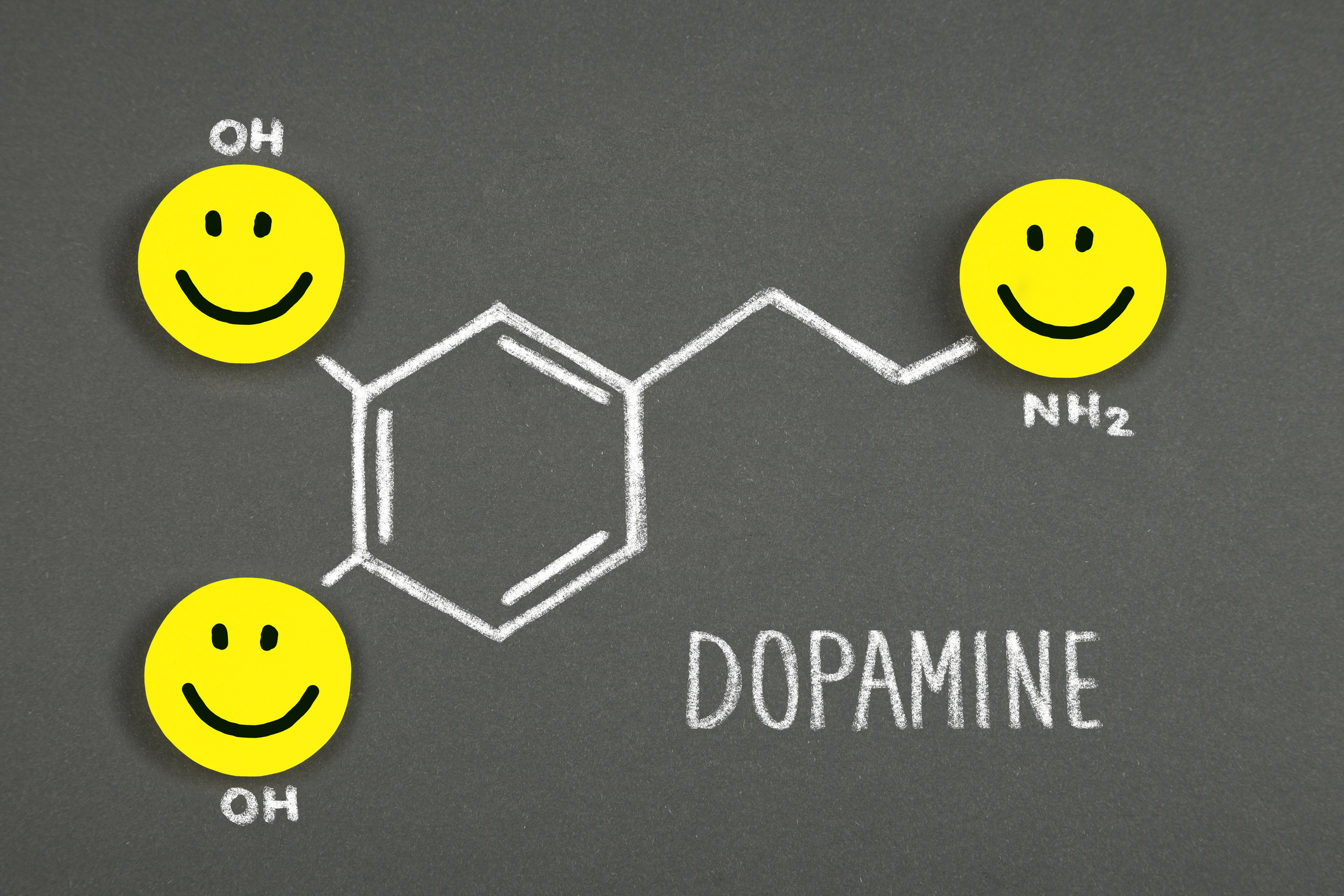
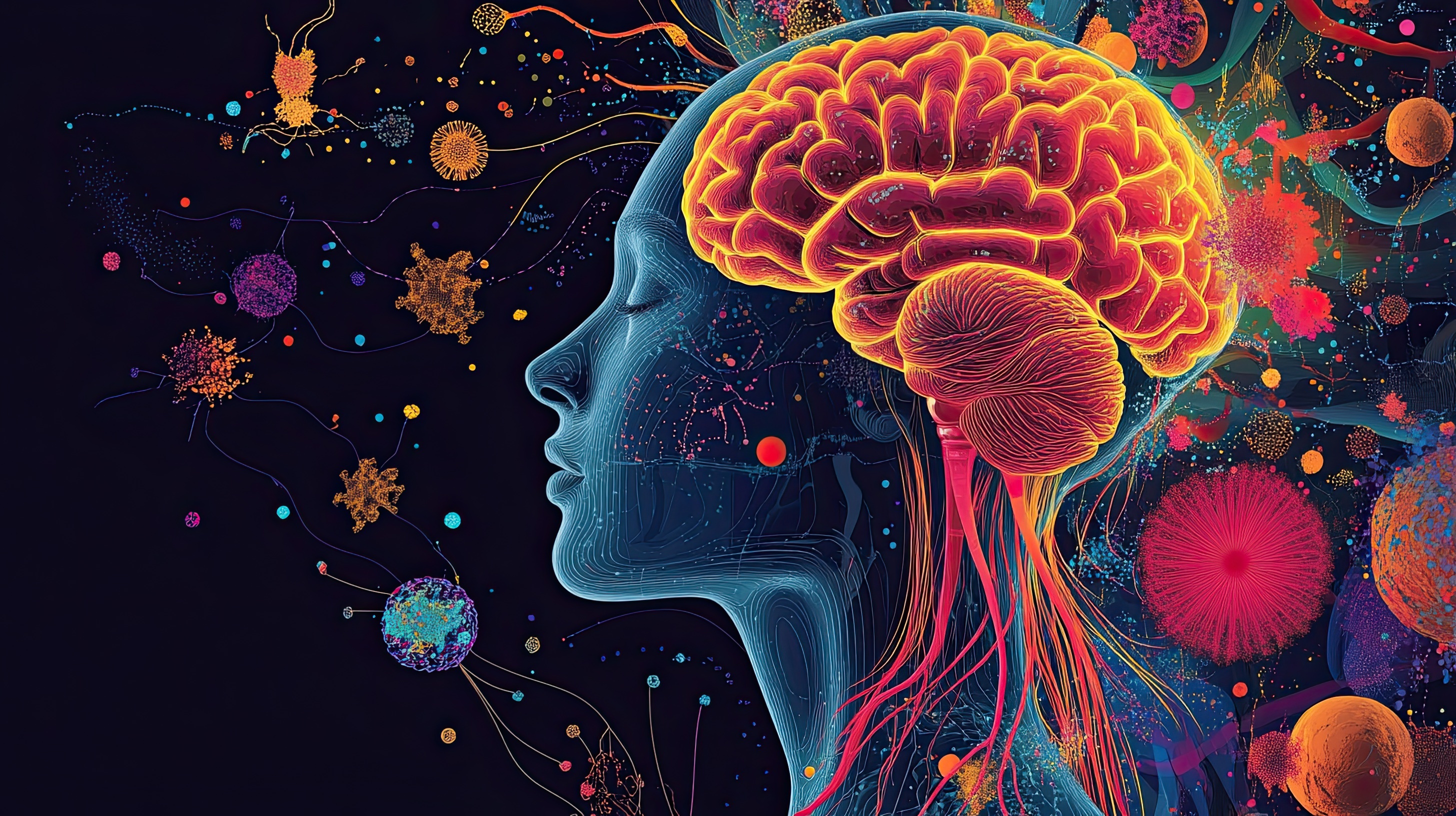
In recent years, the U.S. medical community has increasingly recognized the profound interplay between emotional well-being and physical health, marking a shift toward a more holistic approach to patient care. This growing focus stems from a robust body of evidence highlighting that emotional balance and effective stress management—often described as “inner harmony”—can significantly reduce the risk of chronic diseases and improve overall patient outcomes. As healthcare providers grapple with rising rates of chronic conditions, mental health challenges, and burnout among both patients and professionals, this mind-body connection has become a cornerstone of modern medical practice.
The Science of Emotional Well-Being and Physical Health
The link between emotional well-being and physical health is firmly established in decades of research spanning psychology, neuroscience, and medicine. Chronic stress, anxiety, and depression have been shown to activate biological pathways that exacerbate physical health issues. For instance, prolonged stress triggers the hypothalamic-pituitary-adrenal (HPA) axis, leading to elevated cortisol levels, which can contribute to inflammation, cardiovascular disease, and metabolic disorders. A 2021 American Heart Association (AHA) scientific statement emphasized that negative psychological states, such as depression and chronic stress, are associated with a higher risk of cardiovascular disease, while positive psychological attributes, like optimism, correlate with reduced cardiovascular risk.
Conversely, emotional well-being—characterized by positive affect, resilience, and effective stress management—has been linked to better health outcomes. A 2024 meta-analysis by Michael Hoyt, PhD, at UC Irvine found that emotional approach coping (EAC), which involves processing and expressing emotions, is associated with improved physical health, resilience, and health-promoting behaviors. For example, patients who engage in emotional processing are more likely to adhere to self-management strategies, such as medication adherence and lifestyle changes, which reduce complications in chronic conditions like diabetes and heart disease. Additionally, positive emotions have been shown to enhance immune function, with studies indicating that happier individuals exhibit stronger antibody responses to vaccines and lower rates of illness.
The connection is particularly evident in the management of chronic diseases. For instance, a study of patients with coronary artery disease found that an increase in psychological well-being by one standard deviation was associated with an 11% reduction in rehospitalization risk. Similarly, interventions targeting positive affect have been shown to slow disease progression in conditions like HIV and chronic pain, demonstrating that fostering emotional health can directly improve physical health outcomes.
Emotional Well-Being in Clinical Practice
The recognition of this mind-body connection has prompted U.S. healthcare systems to integrate emotional well-being into clinical practice. Physicians are increasingly encouraged to screen for psychological health as part of routine care, particularly for patients with or at risk for chronic conditions. The AHA recommends regular mental health screenings for cardiovascular patients, citing evidence that psychological interventions, such as cognitive behavioral therapy (CBT) and mindfulness-based stress reduction (MBSR), can improve heart health. These interventions work by modulating neural circuits, reducing inflammation, and enhancing patients’ ability to cope with stress.
One notable example is the integration of behavioral health into primary care settings. At Hackensack Meridian Health in New Jersey, behavioral health services have been embedded within primary care to address mental health stigma and improve access to care. This approach has led to better treatment adherence, reduced healthcare costs, and alleviated physician stress by streamlining care coordination. Similarly, the HOPE clinic in South Texas, serving a predominantly Hispanic, uninsured population, has implemented an integrated behavioral health (IBH) model that significantly reduced depressive symptoms among patients with chronic conditions like diabetes and hypertension.
Digital interventions are also gaining traction. Platforms like Happify, which combine CBT, mindfulness, and positive psychology, have shown promise in improving well-being among patients with chronic conditions. A study of Happify users found a 27% increase in positive emotions over eight weeks, with greater benefits for those with higher engagement. These tools are particularly valuable for overcoming barriers to traditional in-person interventions, such as cost and accessibility, making them a scalable solution for addressing emotional well-being.
Addressing Chronic Stress and Burnout
Chronic stress is a key driver of both emotional and physical health challenges, particularly in the context of healthcare. The COVID-19 pandemic highlighted the toll of stress on healthcare workers, with studies reporting that 41.4% of healthcare professionals experienced clinically significant anxiety, 48% faced depression, and 31.3% suffered from insomnia during the crisis. These findings underscore the need for interventions that support the emotional well-being of providers, who are critical to patient care.
Programs aimed at reducing burnout and promoting resilience have become a priority. For example, Hackensack Meridian Health has implemented initiatives like on-site “safe spaces” for clinical teams to de-stress with mental health professionals and a 24/7 team member assistance hotline. These efforts treated 1,500 staff in their first two years and included mindfulness and meditation sessions led by trained nurses. Such programs not only improve provider well-being but also enhance patient care by fostering a more resilient healthcare workforce.
For patients, chronic stress is equally detrimental. The cumulative burden of social determinants—such as poverty, discrimination, and lack of access to healthcare—exacerbates stress and contributes to poorer health outcomes. A 2021 systematic review found that high levels of racial discrimination were associated with a 36.4-fold increase in severe depressive symptoms, highlighting the need for culturally tailored interventions. Programs like the Resilience, Stress, and Ethnicity (RiSE) model for Black women at risk for cardiovascular disease incorporate mindfulness and coping strategies to address race-based stress, demonstrating significant reductions in depressive symptoms.
Innovative Approaches to Foster Inner Harmony
The concept of “inner harmony”—emotional balance and effective stress management—is central to many of these interventions. Medical institutions are increasingly adopting holistic approaches to promote this state of well-being. For instance, integrative medicine programs, such as those at Duke Integrative Medicine, combine lifestyle changes, health coaching, and stress reduction techniques like yoga and meditation. A study of their three-day health immersion program found significant reductions in diabetes and stroke risk, as well as improvements in mood and relationship satisfaction, among participants.
Nonpharmacologic therapies are also gaining prominence, particularly for chronic pain management. A 2025 meta-analysis emphasized that psychological interventions like CBT and mindfulness-based approaches can alter pain processing in the brain, reducing reliance on medications with significant side effects. These therapies enhance neuroplasticity, improve mood, and promote resilience, offering a sustainable alternative to traditional pharmacologic treatments.
Physical activity is another critical component. Regular exercise has been shown to reduce stress by up to 40%, lower blood pressure, and improve mood by increasing endorphin levels. Simple activities like walking or yoga can modulate nociceptive signaling and enhance descending pain inhibition, making them powerful tools for both emotional and physical health.
Challenges and Future Directions
Despite the promise of these approaches, integrating emotional well-being into medical practice faces several challenges. Healthcare providers often rank social and emotional factors lower than physical health factors in terms of their impact on mortality and chronic illness. A 2025 survey of 681 healthcare providers found that social connection was perceived as less critical than smoking or physical inactivity, despite evidence of its comparable impact on health outcomes. Barriers such as lack of time, resources, and training further complicate the integration of these interventions into clinical settings.
Moreover, while short-term benefits of emotional well-being interventions are well-documented, long-term data on cost-effectiveness and sustained impact are still emerging. For example, while digital interventions like Happify show promise, their efficacy depends on patient engagement, which can vary widely. Similarly, the scalability of integrative models like those at Duke or Hackensack requires significant investment in technology and training, which may be prohibitive for smaller hospitals or underserved communities.
Looking ahead, advancements in artificial intelligence (AI) offer exciting opportunities. AI-driven tools can analyze large datasets to identify mental health risk factors, monitor treatment progress, and provide personalized interventions. However, ethical considerations, such as data privacy and algorithm bias, must be addressed to ensure equitable access and outcomes. Additionally, culturally tailored interventions, like the RiSE model, will be critical for addressing disparities in health outcomes among marginalized populations.
Practical Steps for Physicians and Patients
Physicians play a pivotal role in advancing the integration of emotional well-being into healthcare. Here are actionable steps to incorporate this approach:
- Screen for Psychological Health: Routinely assess patients for stress, anxiety, and depression using validated tools like the Patient Health Questionnaire (PHQ-9) or Generalized Anxiety Disorder (GAD-7) scale.
- Promote Integrative Care: Advocate for co-located or integrated behavioral health services within primary care settings to improve access and reduce stigma.
- Leverage Digital Tools: Recommend evidence-based digital platforms like Happify to patients, particularly those with barriers to in-person care.
- Encourage Lifestyle Changes: Promote physical activity, mindfulness, and social connection as part of treatment plans, emphasizing their role in reducing stress and improving health outcomes.
- Foster Resilience in Healthcare Teams: Support institutional programs that address provider burnout through mindfulness, peer support, and access to mental health resources.
For patients, cultivating inner harmony involves small, sustainable changes. Engaging in regular physical activity, practicing mindfulness, and building social connections can significantly enhance emotional and physical health. Community-based programs, such as those offered by the American Heart Association’s Go Red for Women movement, can provide additional support for women at risk for heart disease.
The U.S. medical community’s growing emphasis on the connection between emotional well-being and physical health reflects a paradigm shift toward holistic, patient-centered care. By addressing emotional balance and stress management, physicians can reduce the burden of chronic diseases, improve patient outcomes, and enhance the resilience of healthcare teams. While challenges remain, the integration of psychological interventions, digital tools, and lifestyle changes offers a promising path forward. As research continues to illuminate the mechanisms of the mind-body connection, healthcare providers and patients alike can embrace inner harmony as a powerful tool for achieving lasting health and well-being.
Resources for Further Exploration
- American Heart Association: Learn about the mind-heart-body connection and cardiovascular health resources at www.heart.org.
- Happify: Explore digital well-being interventions combining CBT and mindfulness at www.happify.com.
- Journal Health Psychology: Review studies on emotional approach coping and health outcomes at publichealth.uci.edu.
- Hackensack Meridian Health: Discover integrated behavioral health models and their impact at www.hackensackmeridianhealth.org.
- Institute for Functional Medicine: Access resources on stress management and integrative medicine at www.ifm.org.
- National Institute of Mental Health (NIMH): Find evidence-based mental health resources and research at www.nimh.nih.gov.
- American Psychological Association (APA): Explore guidelines and research on psychological interventions for health at www.apa.org.
- Go Red for Women: Access community-based programs for women’s cardiovascular health and stress management at www.goredforwomen.org.
Discover more from Doctor Trusted
Subscribe to get the latest posts sent to your email.