
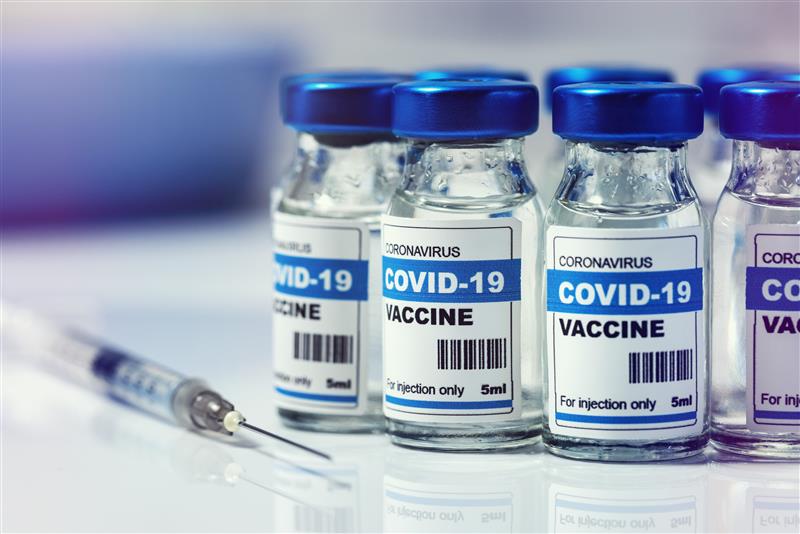
In May 2025, the U.S. Department of Health and Human Services (HHS) announced the discontinuation of recommendations for COVID-19 vaccination for healthy children and pregnant women. The statement, delivered by HHS Secretary Robert F. Kennedy Jr. via the social media platform X, bypassed the standard procedures of the Centers for Disease Control and Prevention (CDC) and its Advisory Committee on Immunization Practices (ACIP). This decision has prompted significant discussion among healthcare professionals, insurance providers, and the public, raising concerns regarding transparency and trust in the public health system.
Context of the Announcement
Appointed HHS Secretary in February 2025, Robert F. Kennedy Jr. has a history of skepticism toward vaccine policies. Despite initial assurances that the independence of the ACIP would be respected, his May 2025 announcement that COVID-19 vaccines were no longer recommended for healthy children and pregnant women was made without consultation with the committee. In an accompanying video, Secretary Kennedy asserted that clinical data supporting booster doses for children were lacking. However, extensive research, including studies published in the New England Journal of Medicine, demonstrates the efficacy of vaccines in reducing severe outcomes in both children and pregnant women.
The CDC, currently operating without a permanent director, responded promptly by reinstating vaccination recommendations for children under a shared clinical decision-making framework involving physicians and parents. However, no clear guidance was provided for pregnant women, resulting in significant uncertainty within the medical community and among patients.
Impact on Healthcare Providers
The abrupt policy shift has placed healthcare providers, particularly pediatricians and obstetricians, in a challenging position. Physicians report increased confusion among patients, who seek clarification on the safety and necessity of COVID-19 vaccines. The shift to shared clinical decision-making for children, while intended to provide flexibility, has left providers without definitive federal guidance, complicating patient consultations. For pregnant women, the absence of clear recommendations has heightened uncertainty, particularly as evidence indicates that unvaccinated pregnant women face elevated risks of severe outcomes, including preterm birth and critical care admission.
The American College of Obstetricians and Gynecologists (ACOG) has publicly criticized the policy change, describing it as a setback for public health. The organization emphasized the heightened vulnerability of pregnant women to severe COVID-19 outcomes and the increased risk of adverse effects on their infants.
Implications for Insurance Coverage
The policy announcement has created ambiguity for insurance providers. Under the Affordable Care Act, insurers are required to cover vaccines recommended by the ACIP without cost-sharing. By bypassing the ACIP, the HHS decision has introduced uncertainty regarding whether COVID-19 vaccines for children and pregnant women will continue to be covered. This lack of clarity may result in some insurers discontinuing coverage, potentially increasing out-of-pocket costs for patients. Additionally, the Vaccines for Children program, which provides free vaccines to uninsured children, may exclude COVID-19 vaccines if they are not officially recommended.
These developments disproportionately affect low-income families and pregnant women, who already face barriers to healthcare access. Data indicate that, as of April 2025, only 14% of pregnant women and 13% of children had received the updated COVID-19 vaccine, underscoring the challenges of maintaining vaccination coverage amidst policy uncertainty.
Erosion of Public Trust
The integrity of public health policy relies on transparent, evidence-based decision-making. By circumventing the ACIP and announcing policy changes through social media, the HHS has undermined the established processes that ensure scientific rigor. The Infectious Diseases Society of America has described the move as a significant breach of public trust. The resulting mixed messaging has exacerbated confusion among parents and patients, amplifying vaccine hesitancy at a time when consistent communication is critical.
The timing of the announcement is particularly notable, as the ACIP was scheduled to review COVID-19 vaccine recommendations at its June 25–27, 2025, meeting. Reports suggest that the committee was considering a targeted approach, focusing on high-risk groups, including pregnant women and immunocompromised individuals. The preemptive policy change disrupted this process, leading to frustration among ACIP members and the resignation of one committee member.
Broader Implications
The ramifications of this policy shift extend beyond COVID-19 vaccination. The precedent of overriding established scientific advisory processes raises concerns about the future of other immunization programs, such as those for measles or influenza. With emerging COVID-19 variants, such as NB.1.8.1B, continuing to pose risks, the need for clear and evidence-based vaccination policies remains paramount.
The upcoming ACIP meeting in June 2025 will be a critical opportunity to address the current uncertainty. Restoring clear recommendations, particularly for pregnant women, and reaffirming the committee’s role in guiding policy will be essential to mitigating the ongoing fallout.
The recent changes to COVID-19 vaccination policy highlight the importance of transparency and scientific integrity in public health decision-making. The ACIP must reassert its authority as an evidence-based advisory body to provide clear guidance for healthcare providers, insurers, and the public. Rebuilding trust will require a commitment to rigorous processes and consistent communication. As the public health community awaits further developments, the need for clarity and collaboration remains critical to safeguarding population health.
References
- Reuters. (2025). HHS to Stop Recommending Covid Shots for Children, Pregnant Women, WSJ Reports. Available at: www.reuters.com.
- The Wall Street Journal. (2025). U.S. COVID Vaccine Recommendations Sow Confusion Among Doctors, Insurers. Available at: www.wsj.com.
- The Washington Post. (2025). Covid Vaccine Recommendation Ended for Healthy Children, Pregnant Women. Available at: www.washingtonpost.com.
- STAT. (2025). Parents — and Insurers — Shouldn’t Take RFK Jr.’s Advice on Vaccines. Available at: www.statnews.com.
- Centers for Disease Control and Prevention (CDC). (2025). COVID-19 Vaccine Recommendations. Available at: www.cdc.gov.
Discover more from Doctor Trusted
Subscribe to get the latest posts sent to your email.